

Top Barber Supplies UK: Essential Tools for Professional Barbers
Alright, so you're a barber here in the UK, and you're wondering what gear you actually need to get the job done right. It's not just about having scissors and a comb anymore, is it? The world of barber supplies UK has exploded, and picking the right tools can feel like a maze. But don't sweat it. We've put together a list of the absolute must-haves. These are the things that'll make your cuts cleaner, your fades smoother, and your clients happier. Think of it as your cheat sheet to building a solid toolkit that won't let you down.
Key Takeaways
- Having the proper barber supplies UK is key for doing good work.
- Clippers and trimmers are needed for cutting and shaping hair.
- Sharp shears and scissors help make precise cuts.
- Combs and brushes are important for styling and finishing.
- Keeping tools clean with sanitizers is a must for hygiene.
1. Hair Clippers
For most barbers, clippers are the tool they’ll reach for first and last during a haircut. A reliable pair of clippers makes all the difference between a sharp, clean result and a patchy mess. Whether you’re working in a bustling shop or just starting out, picking the right clippers can save you time and hassle in the long run.
There’s a good reason most seasoned barbers have strong preferences for their clippers—every model feels a bit different in the hand, the weight can tire your wrist or make fine work easier, and the consistency of the motor really shows up in daily use. Cordless models are a lifesaver for freedom of movement, but you need to remember to charge them, or you’ll risk running out of juice mid-cut. Cords, though old-school, never leave you stranded.
Key features to look for:
- Adjustable blades for tackling different hair lengths quickly
- Solid battery life for cordless clippers (or a reliable corded option)
- Smooth, even power to avoid pulling or snagging
- A selection of guards or comb attachments for different fades
Here’s a quick comparison of popular clipper types:
| Model | Cord/Cordless | Battery Life (hrs) | Adjustable Blades | Weight (g) |
|---|---|---|---|---|
| Wahl Magic Clip | Cordless | 1.5–2 | Yes | 290 |
| Andis Master | Corded | N/A | Yes | 460 |
| Babyliss GoldFX | Cordless | 2 | Yes | 372 |
Don’t underestimate the importance of maintenance—regular oiling and cleaning will keep your clippers working smoothly and extend their lifespan.
Every barber eventually finds that perfect set of clippers that just feels right. But whatever your choice, make sure to have at least one reliable backup handy—nothing throws a wrench in your day like gear trouble halfway through a busy shift.
2. Trimmers
Trimmers are the go-to tools for fine detailing, line-ups, and those sharp finishing touches around the ears, neck, and beard. They’re what barbers count on for super crisp outlines and smooth, irritation-free results.
If you’ve ever tried tidying up sideburns or shaping a beard with clippers alone, you know it just doesn’t cut it. Trimmers, with their slimmer blades and lighter feel, make close detailing way easier. A good trimmer keeps its alignment, stays cool to the touch, and gives you the control you need for those make-or-break moments in a haircut. Getting the right one seriously cuts down on time fiddling around with edging or going over the same spot twice.
Here’s what to look for in a barbershop-ready trimmer:
- Adjustable blades for precise lengths
- Cordless operation for easy maneuvering
- Lightweight, ergonomic body to stave off hand fatigue
- Long battery life (or fast recharge if you go cordless)
| Feature | Ideal Spec |
|---|---|
| Blade Width | 30–40 mm |
| Runtime (Cordless) | 60–120 minutes |
| Charging Time | Under 1 hour (fast charge) |
| Weight | Under 200g |
When your trimmer doesn’t pull or heat up halfway through a busy day, it’s so much less stressful—sharper lines, happier clients, and no overheated hands. Don’t compromise on this tool; you’ll feel the difference every shift.
3. Barber Shears
Alright, let's talk about barber shears. These aren't just any scissors; they're the main event for any barber worth their salt. Having a good pair of shears makes all the difference in getting those clean lines and smooth blends. You'll find a bunch of options out there, but what you really want is something that feels right in your hand and cuts like a dream, all day long.
When you're picking out shears, think about a few things:
- Material: Most good shears are made from Japanese steel. It's strong and stays sharp. Some use cobalt steel, which is even tougher.
- Size: They usually come in sizes from 5.5 to 7 inches. Longer ones are good for big sections, while shorter ones give you more control for detail work.
- Handle Design: Look for something comfortable. Offset handles and curved thumb rings can really help reduce hand fatigue, especially if you're cutting hair for hours.
Some barbers swear by shears like the Yasaka 7 Inch Barbering Shear because they feel so smooth to use. Others prefer something with a bit more heft and control, like the Master Barber Matsui Ergo 7 Inch, which is made with Damascus steel and has a comfy finger rest. For those just starting out, a solid pair like the Sozu Essentials Ergonomic Barbering Scissor offers great quality without costing a fortune. It's all about finding what works for your hands and your style.
Remember, shears are an investment. Taking care of them, like keeping them clean and maybe getting them sharpened occasionally, means they'll last you a long time and keep performing at their best. It's worth looking into scissor servicing if you plan on using them day in and day out.
Ultimately, the best shears are the ones that feel like an extension of your own hand. Don't be afraid to try a few different types if you can. Your hands will thank you later.
4. Straight Razors
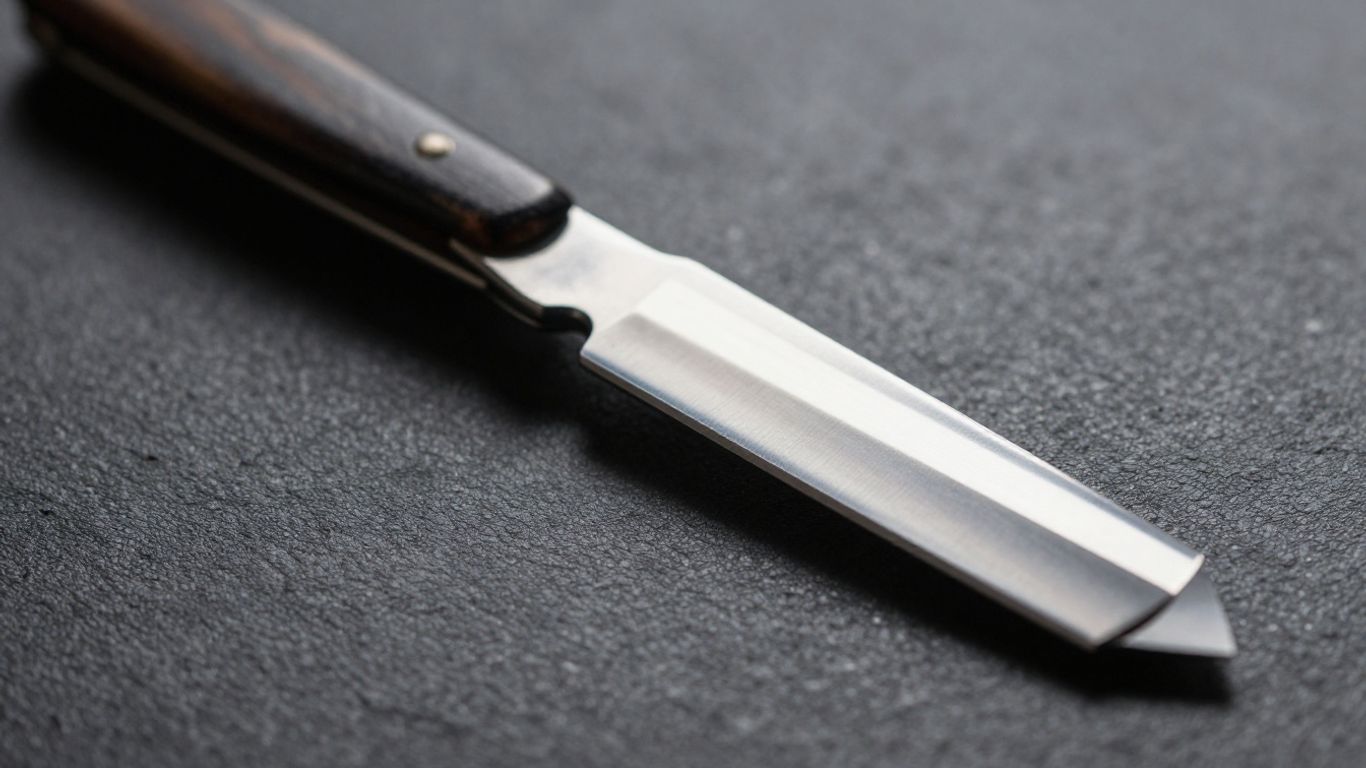
Straight razors are not just about old-school aesthetics—these tools give barbers more control than any other shaving instrument around. A straight razor can deliver an incredibly close, smooth shave, letting you shape beards, line up hairlines, or handle detailing with real accuracy.
Many UK barbers keep both a classic straight razor and a shavette (which takes disposable blades) in their kit. Why? Hygiene. Swapping out the blade after each client is quick, easy, and keeps things sanitary. Whether you choose a traditional blade or a modern, fold-away shavette often depends on your style, but the technique matters most.
Key features to look for in a straight razor:
- Well-balanced handle for steady grip
- Sharp, easy-to-change blades (if you use a shavette)
- Comfortable weight so it doesn’t strain your wrist after a busy day
| Razor Type | Blade System | Main Benefit |
|---|---|---|
| Traditional Straight | Single steel blade | Classic feel, lasts for years |
| Shavette (Folding Razor) | Disposable blades | Hygiene, less upkeep |
Controlling a straight razor might feel tricky at first, but once you get the hang of it, you’ll never want to switch back—there’s nothing quite like the finish you get from a clean, well-maintained blade.
5. Combs
Combs are one of those tools you just can't skip over—they're always within arm's reach during every single haircut. A good set of combs is what keeps haircuts both tidy and precise. In practice, most barbers end up using several different types throughout the day because there’s no one-size-fits-all comb for every client or style.
Typical types of combs in a barber kit:
- Wide-tooth combs: For detangling thick or curly hair without pulling or breaking.
- Standard cutting combs: The go-to for general cutting and scissor-over-comb work.
- Fine-tooth combs: Perfect for smoothing hair before finishing cuts and getting those sharp partings right.
- Taper combs: Slightly curved and ideal for blending fades.
Here's a quick look at the main types and their usual uses:
| Comb Type | Best For |
|---|---|
| Wide-tooth | Detangling, thick hair |
| Cutting/Barber | Precision cutting, sectioning |
| Fine-tooth | Finishing, smoothing |
| Taper | Fades, blending |
It’s honestly surprising how often you’ll lose combs, no matter how many you buy. Always keep a few backups—you'll thank yourself mid-appointment.
Picking the right comb might take a little trial and error, but once you find a favorite, stock up. Some barbers even swear by certain brands or materials, like carbon or anti-static plastic, for their grip and durability. In the end, it's all about what feels right in your hand and works for the way you cut.
6. Brushes
Beyond the obvious cutting tools, brushes are surprisingly important in a barber's arsenal. They aren't just for tidying up; they play a role in everything from prepping the hair to adding the final polish. Having a variety of brushes means you can tackle different hair types and styling needs with ease.
Think about it – you need different tools for different jobs. A stiff boar bristle brush might be great for smoothing down thicker hair or distributing product, while a softer brush is better for dusting off loose hairs after a cut. It’s all about control and achieving that clean finish.
Here are a few types you'll likely find yourself reaching for:
- Boar Bristle Brushes: These are classics for a reason. They help to distribute natural oils, add shine, and smooth down hair. Great for beards too!
- Vent Brushes: Designed with holes, these allow air to pass through, making them ideal for quick drying and adding volume when used with a hairdryer.
- Teasing Brushes: For barbers who do a lot of styling, these have fine, dense bristles that are perfect for creating volume and texture.
Don't forget about the smaller brushes, too. A good blade brush is essential for cleaning your clippers and trimmers between clients. Keeping those blades clear ensures they perform at their best and last longer. It's a small step, but it makes a big difference in the long run.
When you're looking for quality brushes, consider brands known for their durability and the materials they use. For instance, a well-made shaving brush, like those from Taylor of Old Bond Street, can make a world of difference in preparing the skin for a close shave, ensuring a smooth and comfortable experience for your client. It’s these little details that build trust and keep clients coming back.
7. Thinning Shears
Thinning shears are a bit of a secret weapon in a barber's arsenal. They're not for taking off big chunks of hair, but for softening lines, blending layers, and reducing bulk. Think of them as your go-to for making a haircut look more natural and less… well, blunt.
These shears have two blades: one solid and one with teeth, which snip away a percentage of the hair with each cut. This is what creates that blended, textured look. The percentage of hair removed can vary, so it's good to know what you're getting.
Here's a quick rundown of what to look for:
- Blade Type: The teeth can be straight, curved, or even have a slight wave. Straight teeth are standard, while curved ones can be good for specific blending techniques.
- Tooth Count: More teeth mean less hair is removed per cut, giving you finer control. Fewer teeth take out more hair, so you can reduce bulk faster.
- Material: Like regular shears, look for good quality steel. Japanese steel is a solid choice for durability and sharpness.
- Handle Design: An ergonomic handle will make a big difference if you're using them for extended periods.
Using thinning shears effectively is all about technique. You don't want to go too heavy-handed, or you'll end up with a patchy mess. It's best to start with a few snips and build up gradually, checking your work as you go. They're perfect for softening hard lines, especially around the crown or where different lengths meet.
When you're choosing a pair, consider the types of cuts you do most often. If you're constantly working on fades and textured styles, a good pair of thinning shears is non-negotiable. They help you achieve that seamless finish that clients love.
8. Neck Duster Brush
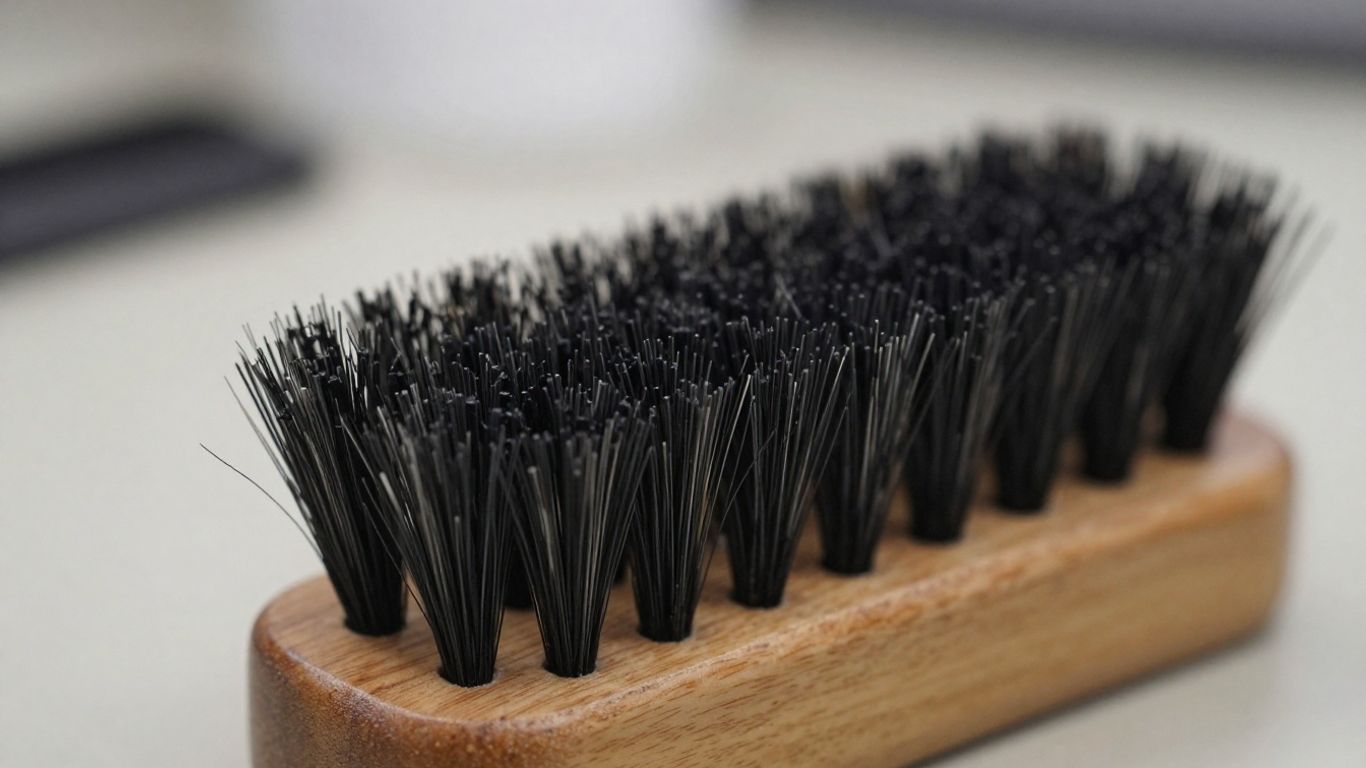
Alright, so you've got your clippers, your shears, maybe even a fancy straight razor. But what about that little bit of cleanup after the cut? That's where the neck duster brush comes in. It's the unsung hero of the barber's toolkit, really.
Think about it. You've just finished a killer haircut, the client's looking sharp. The last thing anyone wants is a bunch of loose hairs tickling their neck or falling onto their clean clothes. A good neck duster brush is designed to sweep all that away quickly and comfortably. They're usually made with soft bristles, often natural hair like badger or boar, or sometimes synthetic fibers, that are gentle on the skin. The handles are typically shaped to fit nicely in your hand, giving you good control for those delicate sweeps around the ears and neckline.
Here's why it's a must-have:
- Client Comfort: No one likes itchy hairs after a shave or haircut. A quick brush-off makes the client feel cared for.
- Professional Finish: It shows attention to detail. A clean neck and ears signal a job well done.
- Hygiene: It helps remove loose hair and debris, keeping your station and the client cleaner.
You might think it's just a simple brush, but the right neck duster can really make a difference in how a client perceives your service. It's a small touch that adds a lot to the overall experience, making them feel pampered and leaving them with a clean, crisp finish.
When you're picking one out, look for something that feels balanced and has bristles that aren't too stiff. You want it to feel good in your hand and gentle on the skin. Some even come with a bit of a vintage vibe, with wooden handles, which can look pretty cool on your station.
9. Cutting Cape
Alright, let's talk about the humble cutting cape. You might think it's just a piece of fabric, but honestly, it's a lifesaver for both you and your client. Its main job is to keep hair from getting all over your client's clothes, which is pretty much non-negotiable.
Think about it: nobody wants to walk out of a barber shop feeling like they just wrestled a hairy beast. A good cape makes sure that doesn't happen. Most shops will have them, but if you're doing house calls or just like having your own gear, grabbing one is a smart move. They come in all sorts of materials, from lightweight nylon that dries fast to heavier vinyl that's super durable. Some even have little snaps or velcro closures, while others use ties. The key is finding one that's big enough to cover your client properly and comfortable enough that they don't even notice it's there.
Here's what to look for:
- Size: Make sure it's wide and long enough to cover the client's shoulders and lap completely. You don't want stray hairs escaping.
- Material: Consider how easy it is to clean. Water-resistant materials are a big plus, especially if you do a lot of wet cuts.
- Closure: A secure but comfortable closure prevents the cape from slipping off during the cut.
A cutting cape isn't just about cleanliness; it's part of the professional presentation. It signals to the client that you're prepared and that their comfort is a priority. It’s a simple tool that makes a big difference in the overall experience.
10. Shaving Brush
A good shaving brush is not just a luxury—it's a real workhorse for traditional and modern barbers alike. Whether you go for natural or synthetic bristles, the right brush helps you build a rich, creamy lather and lift hair away from the skin, making shaves smoother and more precise. It prepares the face by softening the beard and gently exfoliating the skin so there's less irritation and fewer ingrown hairs.
Here are a few things to keep in mind when choosing a shaving brush for your shop:
- Bristle Material: Badger, boar, horsehair, and synthetic fibers each have their own unique feel and price point.
- Handle Quality: Durable, easy-to-clean handles (acrylic, wood, or metal) give you better control and last longer.
- Knot Size: The size and density of the bristles matter for lathering; bigger knots hold more lather but might soak up more product.
| Material | Pros | Cons |
|---|---|---|
| Badger Hair | Soft, great water retention | Pricier, animal product |
| Boar Hair | Firm, exfoliates well | Needs breaking in, can be rough |
| Synthetic | Hypoallergenic, dries fast | Sometimes less luxurious feel |
A trusty shaving brush does more than apply cream—it boosts comfort, adds a bit of ritual to the job, and can turn a basic shave into a highlight of your service.
Plenty of professional barbers rely on time-tested options, like the high-quality men's shaving brushes from Taylor of Old Bond Street, to consistently deliver great results.
Wrapping It Up
So, there you have it. Getting the right gear for your barbering business in the UK really makes a difference. It's not just about having stuff, it's about having the good stuff that works well and lasts. From sharp shears to comfy chairs, each piece helps you do your best work and keeps your clients happy. Think of it as an investment in your skills and your shop's reputation. Keep your tools clean, your setup tidy, and you'll be setting yourself up for success. Happy cutting!
Frequently Asked Questions
What are the most important barber tools every shop should have?
Every barbershop should have hair clippers, trimmers, barber shears, straight razors, combs, brushes, thinning shears, a neck duster brush, a cutting cape, and a shaving brush. These tools help barbers give clean, sharp haircuts and shaves.
How often should I clean and sanitize my barber tools?
You should clean and sanitize your tools after every client. This keeps your tools safe to use and helps prevent the spread of germs. Use disinfectant spray and change blades when needed.
What is the difference between clippers and trimmers?
Clippers are used for cutting large sections of hair and can handle all hair types. Trimmers are smaller and are made for detailed work, like shaping edges and finishing haircuts.
How do I choose the right barber shears?
Pick shears that feel comfortable in your hand and are made from strong steel. Look for ones with a finger rest and adjustable tension. Try different sizes to see which works best for you.
Why is a neck duster brush important in a barbershop?
A neck duster brush is used to remove loose hair from a client's neck and shoulders after a haircut. It helps keep clients comfortable and looking neat.
How can I make my barber tools last longer?
Take care of your tools by cleaning them often, oiling moving parts, and storing them in a safe place. Sharpen blades when needed and replace any parts that get worn out.