

The New Barbershop Owner's Complete UK Supplies Checklist (2026 Edition)
So, you're thinking about opening your own barbershop in the UK? That's a big step, and getting the right supplies from the start can make all the difference. This new barbershop owner supplies checklist UK is here to help you get set up without missing any key items. We'll cover everything from the tools you'll use every day to the bits and pieces that keep your business running smoothly and legally compliant. Let's get your shop ready for success.
Key Takeaways
- Make sure you have all the professional cutting and styling tools, like clippers, shears, and combs, ready for your first day. Quality tools mean better haircuts and happier clients.
- Don't forget the furniture and interior basics. Comfortable barber chairs, good mirrors, and a welcoming waiting area set the tone for your business.
- Hygiene is non-negotiable. Have a solid plan for cleaning, disinfecting, and managing linens to keep your shop safe and professional.
- Keep track of what you use. Smart inventory management helps reduce waste and ensures you always have the products clients want and need.
- Understand the legal side. Get the right licenses, permits, and insurance to operate legally and protect your business from unexpected issues.
Essential Cutting and Styling Tools for Modern UK Barbershops
When you're setting up your new barbershop, the tools you choose are really important. They're not just things you use; they're part of your craft and how clients see your business. Getting the right equipment from the start means you can do your best work and keep clients happy.
Professional Clippers and Trimmers Selection
Clippers and trimmers are the workhorses of any barber's toolkit. For a modern UK barbershop, you'll want a few different types. A good main clipper is key for bulk hair removal and fades. Look for models with adjustable blades and multiple guard attachments so you can achieve various lengths and styles. Cordless options offer more freedom of movement, which is a big plus when you're working around a client. You'll also need a detail trimmer, often called an edger, for clean lines, outlining, and beard work. Investing in reputable brands like Wahl or Andis can make a significant difference in performance and longevity.
High-Quality Shears and Razors
Beyond clippers, you need excellent shears and razors. A good pair of barber shears should feel balanced in your hand and be sharp enough for precise cuts. Consider having a few different sizes – perhaps a 5.5-inch for general cutting and a 6.5-inch for longer styles or texturizing. Thinning shears are also useful for blending and adding texture. For shaving and detailing, a quality straight razor or a safety razor with disposable blades is necessary. Don't forget sharpening stones or a professional sharpening service to keep your blades in top condition. Having sharp tools means cleaner cuts and happier clients.
Comprehensive Supply of Combs and Brushes
Combs and brushes might seem simple, but having the right ones is vital for effective styling and cutting. You'll need a variety of combs: a cutting comb for sectioning and precision, a wide-tooth comb for detangling, and a tail comb for detailed work and lifting hair. For brushes, a boar bristle brush is great for smoothing and adding shine, while a vent brush can help with blow-drying. A good quality barber brush, sometimes called a neck brush, is also useful for sweeping away loose hair from the client's neck and face. Having a well-stocked set ensures you're prepared for any hair type or style request. You can find a good range of these items to get your shop started at professional barber supplies.
The right tools not only help you perform your job efficiently but also contribute to the overall client experience. Well-maintained, high-quality equipment reflects professionalism and care, which can build trust and encourage repeat business.
Barbershop Furniture, Fixtures, and Interior Essentials
Setting up your barbershop involves more than just the tools you use to cut hair. The physical space itself plays a massive role in how clients perceive your business. Think about the atmosphere you want to create – is it modern and sleek, or more traditional and comfortable? The furniture and fixtures you select will communicate this before you even say a word.
Choosing Durable Barber Chairs and Mirrors
Your barber chairs are arguably the most important pieces of furniture. Clients will spend a significant amount of time in them, so comfort and durability are key. Look for chairs that offer good lumbar support and are easy to adjust for different client heights and your working style. The material should be easy to clean and resistant to hair products. Mirrors are also critical. They should be large enough for clients to see their haircut from multiple angles and positioned to make the space feel open and bright. Consider the frame style to match your shop's overall aesthetic. Investing in quality pieces from suppliers like Sleek Sturdy can save you money in the long run by reducing the need for frequent replacements.
Functional Wash Stations and Waiting Area Setup
Wash stations need to be practical and comfortable for both the barber and the client. Ensure the sinks are at a good height and have comfortable neck rests. Easy access to plumbing and storage for shampoos and conditioners is also a must. The waiting area is your clients' first impression before they sit in the chair. Comfortable seating, perhaps a mix of individual chairs and a small sofa, is important. Having a small table for magazines or a place for clients to set their belongings can make a difference. Don't forget about coat racks or hooks, especially during colder months.
Lighting, Décor, and Branding Elements
Lighting can dramatically change the mood of your shop. You'll want bright, clear lighting for the cutting stations to ensure precision. Ambient lighting can create a more relaxed atmosphere in the waiting area or for clients getting shaves. Consider accent lighting to highlight specific features or your branding. Décor should align with your brand identity. This could be anything from framed art and plants to custom signage. A well-placed barber pole outside is a classic branding element that signals your trade. Think about how these elements come together to create a cohesive and inviting space that reflects your unique style and professionalism.
Sanitation, Hygiene, and Daily Operations Standards
Maintaining a clean and orderly barbershop isn't just about appearances; it's a core part of your professional responsibility and a key factor in client trust. You'll want to establish clear protocols for everything from the moment you unlock the doors to when you lock them up at night. This discipline protects your clients, your staff, and your business's reputation.
Cleaning and Disinfecting Equipment Protocols
Your tools are your livelihood, and keeping them spotless is non-negotiable. This means having a system for cleaning and disinfecting everything that comes into contact with a client. Think beyond just wiping down clippers between cuts. You need a rigorous process for sterilizing shears, razors, combs, brushes, and any other equipment. This often involves a multi-step approach: cleaning to remove visible debris, followed by disinfection using approved solutions. Make sure you're using products that are effective against common pathogens and follow the contact times recommended by the manufacturer. A good practice is to have a designated area for dirty tools and another for clean, sterilized ones. This prevents cross-contamination and keeps your workspace organized. You might consider a daily deep clean of all equipment at the end of the day, in addition to the between-client sanitization. This is a good time to check for any damage or wear on your tools as well. For a practical approach to maintaining consistent sanitation standards, a detailed cleaning checklist can be very helpful [b46e].
Linen Management and Protective Apparel
Linens, such as towels and capes, need their own set of rules. They should be clean and fresh for every client. A common practice is to have a hamper specifically for used linens, separate from clean ones. Washing procedures should be thorough, using hot water and appropriate detergents to kill germs. Consider having enough linens on hand so you're never caught short, even with a busy schedule. Protective apparel for your barbers is also important. This includes things like aprons or smocks that can be easily cleaned or replaced. The goal is to create a barrier that protects both the barber and the client from any potential transfer of bacteria or hair.
Daily Opening and Closing Procedures
Having a structured routine for opening and closing the shop provides operational discipline. This isn't just about tidying up; it's about setting the stage for a successful day and securing your business for the night.
- Opening: This typically involves a quick check of the shop's readiness. Ensure all stations are clean, tools are sterilized and readily available, and any necessary products are stocked. Check your appointment schedule for the day and prepare for any early walk-ins.
- Mid-day: While not strictly opening or closing, a mid-day check can be beneficial. This might involve a quick sweep of the floor, tidying up the waiting area, and ensuring restrooms are clean. It’s also a good time to check product stock for the retail shelves.
- Closing: This is a more involved process. It includes cleaning and disinfecting all tools and stations, reconciling cash and sales from the day, backing up any important business data, and restocking supplies for the next morning. A thorough sweep and mop of the floors are usually part of this routine.
A well-defined operational blueprint, followed consistently, helps maintain brand identity and client experience across all services. It builds trust and predictability for everyone involved.
Implementing these procedures systematically helps reduce waste, manage inventory effectively, and keeps your business running smoothly. It’s about building repeatable cycles that protect your time and your profit margins.
Smart Barbershop Inventory Management and Supply Tracking
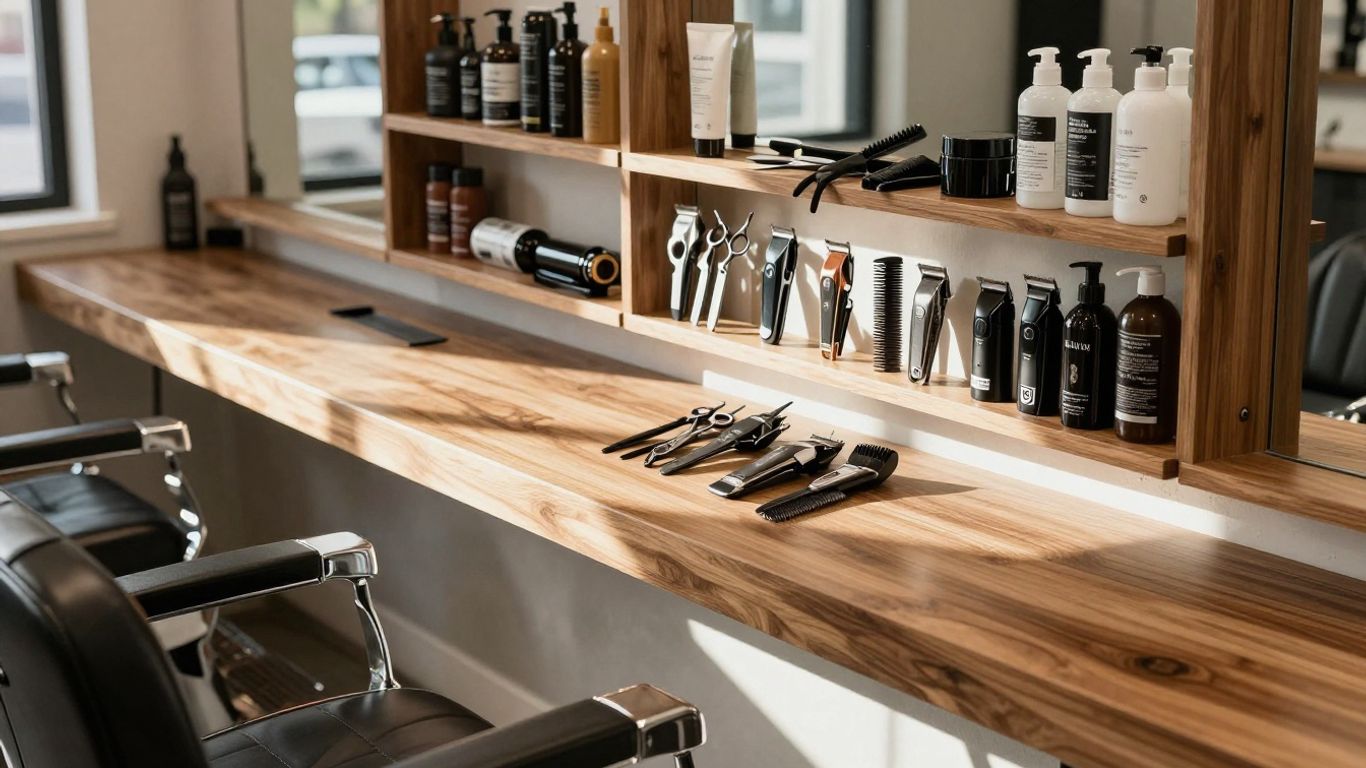
Keeping a close eye on your inventory is one of those things no barbershop owner can skip. Missing product when you need it most? That's a recipe for chaos and lost clients. Running out of basics like aftershave, blades, or cleaning supplies can put you in a tight spot, so having a reliable system matters much more than most new owners realize.
Digital Inventory Lists and Automated Restock Alerts
Gone are the days of scribbled supply lists on scraps of paper tucked in a drawer. With today's digital tools, you can track every item — from neck strips to top-end pomades — and get notified when something is running low. Many UK barbers are using cloud-based platforms for this these days, making it easy to keep tabs on stock, whether you’re on-site or working remotely.
- Track products by category and frequency of use.
- Set minimum stock levels for automatic alerts.
- Identify which products are used most and which sit on the shelf.
| Product Type | Min Reorder Level | Avg. Monthly Usage | Auto-Alert Set Up |
|---|---|---|---|
| Straight Razors | 15 | 40 | Yes |
| Beard Oil | 5 Liters | 6 Liters | Yes |
| Neck Strips | 5 Packs | 8 Packs | Yes |
Inventory control isn't just about cutting down on hassle. Proper digital lists with restock alerts let you focus more on cutting hair and less on running to suppliers last minute.
Waste Reduction for Consumable Products
Nothing eats into your money faster than wasted product — and it adds up quicker than you might think. Adopting a few basic habits and standard measurements can lower your costs and keep shelves clear of expired goods.
- Only open new bottles when the current one is empty.
- Measure high-cost items like aftershaves and treatments with portion pumps.
- Train your team to log product use at the end of each shift.
Most owners who track their supplies like this report up to a 15% yearly decrease in supply costs. It’s not magic — it’s just being consistent.
Sourcing UK-Approved Products and Backbar Supplies
Using professional, UK-approved products isn’t just about quality — it’s about meeting local health and safety standards too. Your clients notice the difference, and so do inspections.
- Stick with reputable wholesalers who supply brands certified for UK barbershops.
- Don’t buy in bulk from random sources, since you risk outdated or non-compliant stock.
- Keep a separate list for 'backbar' essentials — the everyday workhorses like disinfectant, towels, and blade refills.
A little attention to sourcing and tracking gives you peace of mind and fewer surprises. If you’re ready to automate your lists and alerts, check out well-known barbershop software like Booksy Biz, which includes inventory features made for busy UK shops.
Point-of-Sale, Booking, and Client Experience Tools
In today's barbershop, the tools you use to manage appointments and payments are just as important as your shears. Getting this right means happier clients and a smoother operation for you and your team. It's about making things easy, from the moment someone decides they need a haircut to when they walk out the door.
Digital POS Systems and Payment Solutions
Your point-of-sale (POS) system is the hub for all transactions. Think of it as the cash register, but much smarter. A good system handles payments, tracks sales, and can even help manage your staff's commissions. This integration helps prevent errors and gives you a clear picture of your shop's finances. Many modern systems work with tablets or computers, making them easy to use. They can process card payments securely, which most clients expect these days. Some systems even connect directly to your booking software, so when a service is finished, the price is already there, ready to go.
Appointment Booking and Client Management Software
Gone are the days of scribbled appointment books. Online booking software lets clients schedule appointments 24/7, right from their phones or computers. This is a big plus for clients who can't call during business hours. It also helps reduce no-shows. Many systems send automated reminders via text message, and some allow you to take deposits to secure bookings. This protects your revenue and makes sure your barbers' time is respected. Client management, often called CRM, is also built into these systems. Every time a client books, their history is updated. This means barbers can see what services they've had before, what products they like, and any notes you've made. It helps provide a more personal touch during their visit. Software like Zenoti is designed to handle walk-ins, scheduling, and bookings all in one place.
Client Retention and Communication Tools
Keeping clients coming back is key to a successful barbershop. It's often easier and more profitable than constantly finding new ones. Your booking and POS software can be a big help here. You can set up loyalty programs that reward clients for repeat business or referrals. For example, after a certain number of visits, they might get a discount on their next cut. Communication tools are also vital. Automated emails or texts can announce special offers, remind clients about upcoming appointments, or even send a birthday greeting. Using the data from your client management system, you can send targeted messages. If a client always gets a beard trim, you can let them know when you have a special on beard products. This kind of personalized communication makes clients feel valued and encourages them to return. It's about building relationships, not just processing transactions. Integrated POS systems can automate many of these tasks, freeing you up to focus on the client experience.
The right technology transforms your barbershop from a place that cuts hair into a well-oiled business machine. It streamlines operations, improves client satisfaction, and provides the data you need to make smart decisions about growth and profitability. Investing in these tools is investing in the future of your shop.
Legal Compliance, Insurance, and Licensing for UK Barbershops
Operating a barbershop in the UK involves more than just mastering haircuts; you also need to get the legal side of things right. It might not be the most exciting part of running your business, but it's absolutely necessary to keep your doors open and your clients safe. Understanding and adhering to UK regulations is non-negotiable for a legitimate and thriving business.
Understanding UK Barbershop Licenses and Permits
While barbers themselves aren't strictly regulated by a national licensing board in the UK, your business operations are still subject to various laws. You'll need to make sure your business is registered correctly and that you comply with consumer protection legislation. This means being transparent about pricing, providing a safe environment, and handling client data responsibly. It's wise to check with your local council for any specific business operating licenses or permits they might require for premises, signage, or even outdoor seating if you plan to have any. Getting this sorted early can save a lot of headaches down the line. You can find more information on general business requirements and consumer law that applies to your services [afa7].
Comprehensive Business and Liability Insurance
Accidents can happen, even in the most professional settings. That's why having the right insurance is so important. You'll want to look into public liability insurance. This covers you if a client has an accident on your premises, like a slip and fall, and decides to claim damages. Professional indemnity insurance is also a good idea; it protects you if a client claims your service caused them harm or loss, perhaps due to an allergic reaction to a product or a mistake during a treatment. Think of it as a safety net for your business. It's not always a legal requirement, but it's a smart move to protect your assets and your reputation. Getting quotes from a few different providers will help you find the best fit for your shop's needs.
Workplace Safety and Regulatory Requirements
Keeping your barbershop a safe place for both staff and clients is paramount. This includes having clear procedures for cleaning and disinfecting tools and surfaces to prevent the spread of infections. You also need to consider fire safety regulations, ensuring you have appropriate equipment like extinguishers and clear exit routes. Proper waste disposal, especially for sharps like razor blades, is another area to pay attention to. It's also about creating a healthy working environment for your employees, which ties into general health and safety legislation. Making sure your staff are trained on these procedures and that you have a system for regular checks will go a long way.
Operating a grooming business without professional protection is a high-risk strategy that can lead to total loss in the event of an accident. Understanding the legal requirements is as important as mastering the craft of barbering itself.
Here are some key areas to focus on for compliance:
- Business Registration: Ensure your business is registered with Companies House if you're forming a limited company, or with HMRC for tax purposes if you're a sole trader or partnership.
- Health and Safety: Implement a health and safety policy, conduct risk assessments, and ensure all equipment is well-maintained and safe to use.
- Consumer Rights: Be clear about your pricing, cancellation policies, and the services you offer. Handle client complaints professionally and fairly.
- Data Protection: If you collect client information, you must comply with GDPR regulations. This means storing data securely and only using it with consent.
- Product Safety: Ensure any retail products you sell meet UK safety standards. Be aware of the ingredients in products you use professionally, especially regarding allergies.
Building Your Brand and Multi-Channel Marketing Strategy
Optimizing Google Business Profiles and Local SEO
Right now, showing up in the top search results for 'barber near me' can decide whether your barbershop succeeds or stays invisible.
- Complete and verify your Google Business Profile with the correct shop hours, address, and contact information matching your website.
- Use accurate keywords in your profile–think "skin fades," "beard trims," or any unique services you offer.
- Regularly upload clear, quality photos of your shop, staff, and finished haircuts.
- Ask satisfied clients to review you and respond to feedback—this boosts trust in potential clients and helps your placement in the local pack.
When your Google listing is up-to-date and full of fresh photos and reviews, new clients are much more likely to walk in the door.
Strategic Use of Social Media Platforms
Skip the old-school flyers and focus attention on the channels your clients use most. Instagram, TikTok, and Facebook let you talk to potential customers and show off results in real time. Here’s a quick breakdown of how you can use social media to shape your shop’s brand and attract a steady flow of bookings:
- Post before-and-after reels of haircuts to highlight your skills.
- Share stories or posts that show daily shop life, team personality, and a bit of humor.
- Use a mix of broad hashtags (like #barberlife) and local ones (such as #LondonBarber) to reach both worldwide and neighborhood audiences.
- Join local stories, repost user-tagged photos, and celebrate client transformations to encourage repeat engagement.
A well-planned social presence can help your barbershop stand out in a crowded market. For marketing tips that work, get inspiration from barbershop marketing strategies.
Customer Loyalty and Referral Programs
Retaining regulars costs less and builds a friendly community vibe inside your shop. It is often the repeat clients and referrals that shape the future of your business. Here are simple ways to keep people coming back:
- Offer a loyalty card (physical or digital) that gives a free or discounted service after a set number of visits.
- Give small rewards or product samples to clients who refer friends and family.
- Send SMS or email reminders about birthdays, upcoming appointments, or new products promoted in your shop.
| Loyalty Program | Format | Reward |
|---|---|---|
| Book 5, 6th is free | Digital | Free haircut |
| Refer a friend | Physical | 25% off next service |
| Birthday shoutout | Digital | Free product sample |
Consistent, small touches keep your brand top of mind and make clients actually want to recommend you to others.
Focus on building your barbershop’s reputation both online and off. Your brand isn’t just your logo—it's every interaction clients have with your business, from a Google search to an Instagram story or a late-night text confirming their next appointment. Smart use of digital and in-person channels will keep your chairs full and clients loyal.
Wrapping Up Your Barbershop Launch
So, you've gone through the list, gathered your tools, and figured out the business side of things. Opening a barbershop is a big step, and having the right supplies and a solid plan makes all the difference. Remember, it's not just about giving great haircuts; it's about building a business that runs smoothly and keeps clients coming back. Keep learning, stay organized, and focus on giving your customers a top-notch experience. You've got this.
Frequently Asked Questions
What are the must-have tools for a new barbershop in the UK?
You need professional clippers and trimmers, sharp shears, straight razors, and a full set of combs and brushes. These tools help you give every client a great haircut and style. Make sure to pick brands that last and are easy to keep clean.
How do I keep my barbershop clean and safe for clients?
You should clean and disinfect all tools and surfaces after each use. Use fresh capes and towels for every client. Follow the UK health guidelines for barbershops, and keep a daily checklist for opening and closing routines to make sure nothing is missed.
What kind of furniture do I need for my barbershop?
You will need strong barber chairs, big mirrors, wash stations, and comfy waiting area seats. Good lighting and some stylish décor can make your shop feel welcoming. Pick furniture that is easy to clean and can handle lots of use.
How can I manage my barbershop supplies and avoid running out?
Use a digital inventory system to track what you have and get alerts when you are low on items. This helps you order more before you run out. Try to buy UK-approved products and always keep extra of the most-used supplies like shaving cream and neck strips.
Do I need a license or insurance to open a barbershop in the UK?
Yes, you need the correct business license, barbershop permit, and insurance before you open. Insurance protects you if something goes wrong, like an accident or damage to your shop. Check with your local council to make sure you have all the right paperwork.
What are the best ways to attract and keep clients for my barbershop?
Set up a Google Business Profile so people can find you online. Use social media to show off your work and share updates. Offer easy online booking and send reminders to clients. You can also start a loyalty program to reward repeat customers and encourage referrals.