

Styptic Pencil vs Blood Stop Matches vs Alum Block: Which Should Your Barbershop Stock?
When you're running a barbershop, keeping a few key items on hand for those inevitable little nicks and cuts is pretty important. You've got your alum blocks, your styptic pencils, and then there are things like blood stop matches, which you don't see around as much. Each one does a job, but they do it differently. Let's break down what each one is for and help you figure out which ones you really need to stock.
Key Takeaways
- Alum blocks are great for general skin tightening and disinfection after a shave, helping to prevent irritation and redness. They work best as a daily aftershave step.
- Styptic pencils are your go-to for immediate bleeding control on specific cuts or nicks. You apply them directly to the wound for a few seconds to stop the flow.
- Blood stop matches are a less common option, but they work similarly to styptic pencils by coagulating blood at the site of a cut.
- For most barbershops, having both an alum block and styptic pencils offers the best coverage. The alum block handles overall skin care, while the pencil is for targeted emergencies.
- The choice between these tools often comes down to the type of cut. Alum is for gentle care and prevention, while styptic pencils are for when actual bleeding needs to be stopped quickly. Understanding the styptic pencil vs blood stop matches barber needs is key.
Understanding The Core Functionality
Before deciding what your barbershop should keep on hand, it’s important to really get a sense of how each product works on the skin. Alum blocks, styptic pencils, and blood stop matches may seem similar at first, but they each take a different approach to managing nicks and cuts. Here’s what you need to know about each one.
Alum Block: The Gentle Guardian
Alum blocks are solid crystals made from potassium alum. When you run one over wet, shaved skin, it leaves behind a thin layer that tightens pores and helps prevent bleeding from tiny cuts. Most barbers reach for the alum block as a finishing step after a shave because it soothes irritation and acts as a mild antiseptic. The bonus? It doesn’t just deal with bleeding — it also calms the skin and can even help prevent ingrown hairs.
Main features of alum block:
- Closes pores and tightens skin after shaving
- Soothes irritation and reduces redness
- Can prevent the risk of infection by creating a protective barrier
- Long-lasting (often lasts for years if not dropped)
Many barbers think of the alum block as a training buddy for good technique: if you feel an intense sting, chances are your razor angle needs some adjustment.
Styptic Pencil: Targeted Hemorrhage Control
Styptic pencils are your go-to tool when there’s an actual, more visible nick. They’re pressed sticks made mostly of aluminum sulfate that react with blood to speed up clotting and stop bleeding almost instantly. Unlike the alum block, the pencil is only meant for pinpoint use right on the spot—never for the whole face. You’ll notice a sharper sting, which is normal, and the bleeding usually stops in seconds. Styptic pencils are often called the barber's quick fix for those stubborn, annoying cuts. Read more about their composition and why they're a shop essential in this short overview.
Main features of styptic pencils:
- Stops minor bleeding on contact
- Seals small wounds by coagulating proteins in the blood
- Compact and easy to store
- Typically stings more than alum blocks
Blood Stop Matches: A Less Common Alternative
Blood stop matches look like oversized matches, with tips coated in an astringent powder (often aluminum sulfate). They function a lot like a styptic pencil, but you snap off and discard each match after a single use. They're not as widely used in modern barbershops, mainly because they're single-use and not as sturdy or economical. However, for busy environments or for situations where cross-contamination is a bigger concern, they offer a hygienic, grab-and-go solution.
Key points about blood stop matches:
- Designed for single-use to reduce hygiene risks
- Targeted application for nicks and cuts
- Convenient but less cost-effective over time
- Can be harder to find compared to alum blocks and styptic pencils
| Product | Best Use | Typical Lifespan | Application Area | Main Ingredient |
|---|---|---|---|---|
| Alum Block | Whole face after shave | Several years | Full face | Potassium alum |
| Styptic Pencil | Individual cuts/nicks | Several months | Spot application | Aluminum sulfate |
| Blood Stop Matches | Small nicks, one-use | Single use per match | Spot application | Aluminum sulfate powder |
If you want to build a smooth experience for clients, understanding how and when to use each tool is really the first step.
Application Techniques and Best Practices
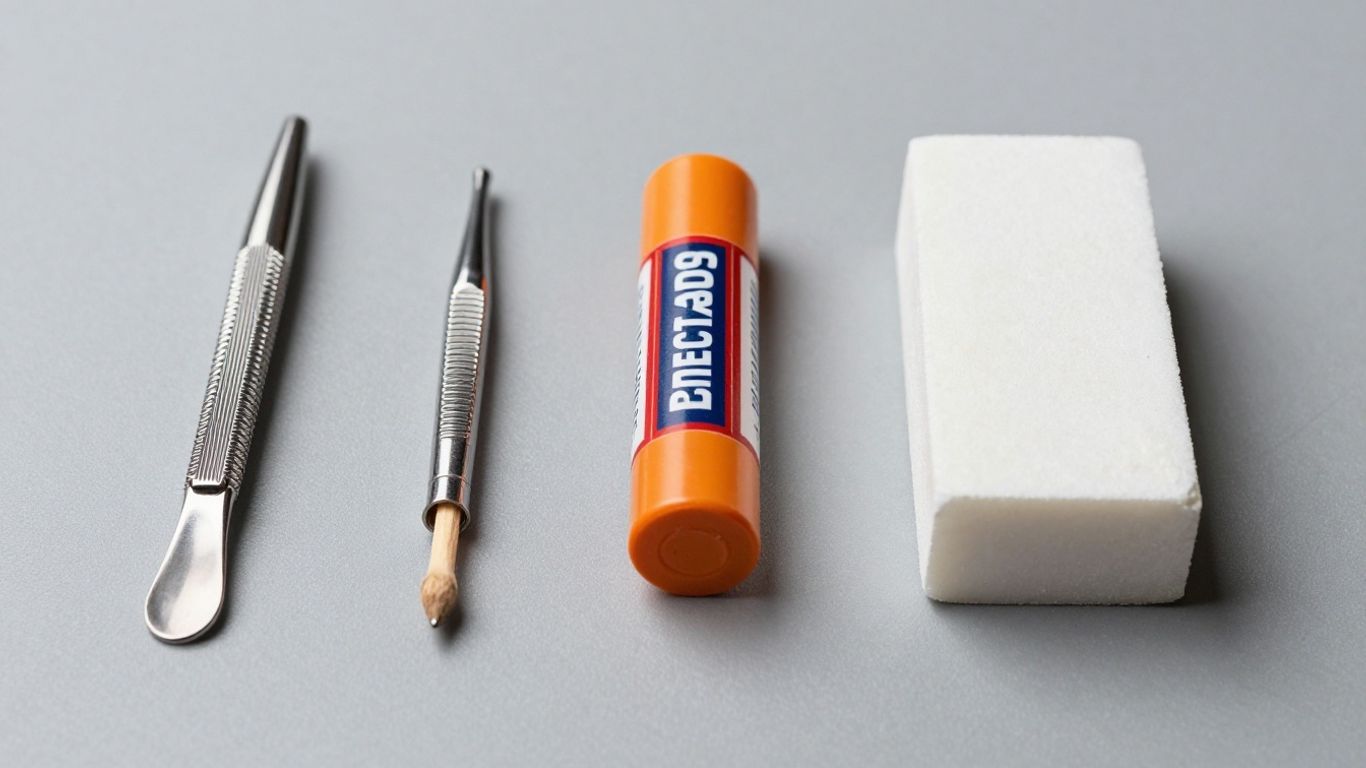
Proper application of your bleeding control tools is key to a smooth and professional service. Each product has its own way of working, and knowing these differences helps you use them effectively.
Alum Block Application for Disinfection and Tightening
An alum block is fantastic for general post-shave care. After you've finished the shave and rinsed off any excess lather, simply wet the alum block under cool running water. Then, gently glide the wet block over the client's entire face, or any area that might be prone to irritation. This action helps to disinfect the skin, tighten pores, and can even reveal areas where you might have been pressing too hard with the razor. It's a soothing step that leaves the skin feeling refreshed and less red.
- Wet the block thoroughly.
- Apply with light pressure across the shaved area.
- Allow it to air dry or gently pat the skin dry afterward.
Using an alum block regularly can help identify areas of excessive pressure during shaving, prompting adjustments in technique.
Styptic Pencil Usage for Immediate Bleeding Cessation
When a small nick or cut occurs, the styptic pencil is your go-to. It's designed for targeted application right where it's needed. First, moisten the tip of the pencil with cool water – just a quick dip is usually enough. Then, gently press the wet tip directly onto the bleeding spot. Hold it there for about 10 to 15 seconds. This direct pressure and the active ingredient work together to quickly stop the bleeding. You might want to let your client know there could be a slight sting, but it's usually brief. For persistent nicks, a second application might be necessary. Remember, avoid scrubbing; a gentle press is all that's required to stop minor bleeding from shaving nicks or paper cuts. This method effectively stops minor bleeding.
Proper Application of Blood Stop Matches
Blood stop matches are less common but work similarly to styptic pencils, just in a different format. You'll typically find them in small, match-like sticks. To use one, you'll usually need to wet the tip, much like a styptic pencil. Then, apply it directly to the bleeding area and hold it in place until the bleeding stops. Because they are small and disposable, they can be quite hygienic for single-use applications. However, their smaller size might make them less convenient for larger nicks compared to a styptic pencil or alum block.
- Wet the tip of the matchstick.
- Apply gentle pressure to the bleeding cut.
- Hold until the flow of blood ceases.
It's important to remember that while these tools are effective for minor cuts, they are not substitutes for proper medical care for deeper wounds. Always assess the severity of any cut before deciding on the best course of action. If you're unsure, it's always best to err on the side of caution and seek professional advice.
When To Choose Which Tool
Deciding between an alum block, a styptic pencil, and blood stop matches isn't about picking a favorite; it's about understanding what each tool is best suited for in your barbershop. Think of them as different levels of intervention for post-shave needs.
Ideal Scenarios for Alum Block Utilization
The alum block is your go-to for general post-shave care. It's fantastic for closing pores and offering a mild antiseptic action across the entire face. You'll want to reach for it after nearly every shave, especially if you notice your clients' skin tends to get red or irritated easily. It acts as a gentle guardian, helping to calm the skin and prevent minor issues before they start. It's also a great way to gauge the client's shaving technique; a strong sting indicates areas where too much pressure was applied.
- Routine disinfection after a standard shave.
- Minimizing redness on sensitive or easily irritated skin.
- Identifying areas where excessive blade pressure was used.
- A general tightening effect for a smoother finish.
When a Styptic Pencil Becomes Essential
This is where you bring out the "emergency specialist." A styptic pencil is designed for targeted action on specific nicks or cuts that are actively bleeding. If a client has a deeper cut, or if you're performing a more aggressive shave (like against the grain in a tricky spot), the styptic pencil is your best bet for immediate hemorrhage control. It's not for general use, but for those moments when the blade has gone a bit too far. The styptic pencil is your immediate stop-gap for active bleeding.
- Active bleeding from nicks or cuts.
- Accidental nicks during precise detailing.
- Post-shave bleeding that doesn't stop with gentle pressure.
The key difference lies in their application: alum is spread over the entire face for broad benefits, while a styptic pencil is pressed directly onto a specific bleeding point for rapid coagulation. Using them together, alum first for overall skin care, then the pencil for any persistent bleeds, often yields the best results.
Situations Favoring Blood Stop Matches
Blood stop matches are a less common alternative, often found in older barber kits. They function similarly to styptic pencils, providing a quick way to staunch minor bleeding. While effective, they can be a bit messier and less precise than a modern styptic pencil. You might consider stocking them if you cater to a clientele that appreciates vintage tools or if you find them to be a cost-effective option for your specific needs. However, for most modern barbershops, the styptic pencil offers a more refined and user-friendly experience for targeted bleeding control [ab45].
| Tool | Primary Use | Application Area | Best For |
|---|---|---|---|
| Alum Block | Disinfection, pore tightening, calming | Entire Face | Routine post-shave care, sensitive skin |
| Styptic Pencil | Immediate bleeding cessation | Specific Nicks | Active cuts, deeper nicks |
| Blood Stop Matches | Immediate bleeding cessation (less common) | Specific Nicks | Vintage preference, budget-conscious choice |
Comparing Efficacy and Client Experience
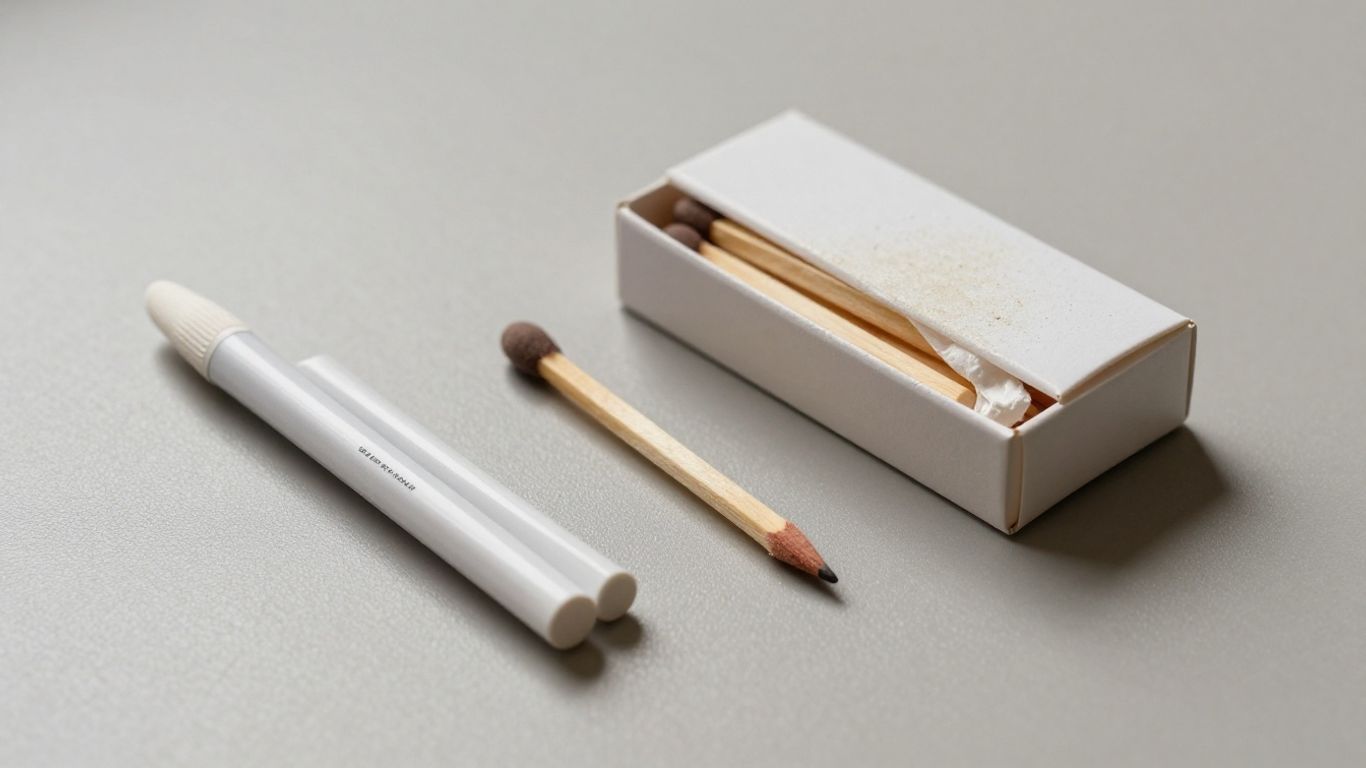
Alum Block's Role in Preventing Irritation
When you're aiming for a smooth finish without the aftermath of redness, the alum block really shines. It acts as a gentle astringent, helping to close up pores and calm the skin right after a shave. Think of it as a protective layer that helps keep irritation at bay. For clients who tend to get red easily, or if you notice they're prone to those little post-shave bumps, an alum block can make a noticeable difference. It's not about stopping a bleed, but more about preventing one from starting in the first place by keeping the skin tight and clean.
Styptic Pencil's Effectiveness on Deeper Nicks
Now, let's talk about when things go a bit off track. A nick, no matter how small, needs immediate attention. This is where the styptic pencil steps in. Its primary job is to stop bleeding, and it does this quite effectively. You wet the tip, press it directly onto the cut, and hold it there for a bit. The active ingredient, usually aluminum sulfate, works to constrict blood vessels and help the blood clot faster. For those unexpected nicks that require a quick fix, a styptic pencil is your go-to tool. It's designed for targeted application, so you're not applying it all over the face, just where it's needed most. It's a real lifesaver when a minor slip-up happens during a shave.
Client Comfort and Sting Factor: Styptic Pencil vs. Alum Block
When it comes to how your clients feel during and after the process, there's a difference. An alum block generally feels cool and soothing on the skin. There's no real sting associated with it, which is great for sensitive clients. The styptic pencil, on the other hand, can cause a noticeable sting when applied to an open cut. It's not usually severe, but it's something to be aware of. It's a good idea to let your client know beforehand that there might be a slight tingle. This heads-up can prevent any surprise reactions and help manage their comfort level. Most clients understand that a little sting is a small price to pay for stopping a bleed quickly. It's all about managing expectations and providing a smooth service, even when minor accidents occur. You can find a good styptic pencil for your shop easily.
Stocking Your Barbershop: A Strategic Decision
Deciding which tools to keep on hand for minor nicks and cuts is more than just a matter of convenience; it's a strategic choice that impacts your client's experience and your shop's efficiency. You'll want to consider the synergy between different products and evaluate if less common items are truly necessary for your clientele.
The Synergy of Alum Block and Styptic Pencil
For most barbershops, stocking both an alum block and a styptic pencil makes the most sense. They serve complementary roles. The alum block is great for general post-shave tightening and disinfection, offering a gentle, all-over application. It's a good daily tool. The styptic pencil, however, is your go-to for immediate, targeted bleeding control on specific nicks. Think of the alum block as your preventative measure and the styptic pencil as your emergency response.
- Alum Block: Ideal for closing pores, reducing redness, and providing a mild antiseptic effect after a shave. It's a solid choice for clients with sensitive skin who might react to harsher chemicals.
- Styptic Pencil: Designed for quick clotting of small cuts. Its concentrated application stops bleeding fast, minimizing disruption to the service.
Keeping both ensures you're prepared for a range of minor shaving mishaps. This dual approach allows you to address issues effectively without overwhelming your client with unnecessary sting.
Evaluating the Necessity of Blood Stop Matches
Blood stop matches, while effective, are a less common sight in modern barbershops. They typically contain silver nitrate, which causes a chemical reaction to stop bleeding. While they work, they can be a bit more aggressive and sometimes cause a more noticeable sting than a styptic pencil. For most barbers, the functionality of a styptic pencil or an alum block covers the majority of situations. You might consider blood stop matches only if you frequently encounter very specific types of minor bleeding that other products struggle with, or if you have a particular client preference. For general use, they might be an unnecessary addition to your inventory, potentially complicating salon inventory management.
Cost-Effectiveness and Longevity of Each Product
When you're thinking about what to stock, the cost and how long things last are big factors. You don't want to be constantly buying new supplies.
- Alum Block: These are remarkably long-lasting. With proper care (rinsing and storing dry), a single alum block can last for years, making its initial cost very low over time. You just need to chip away a small piece when it gets too worn or stained.
- Styptic Pencil: Pencils are more compact and designed for targeted use. They don't last as long as an alum block, as the tip wears down with use. However, they are relatively inexpensive, and a few pencils can cover a lot of ground before needing replacement.
- Blood Stop Matches: These are typically sold in small quantities and are single-use or limited-use items. Their cost per application can be higher than the other two options, especially if you need to use multiple matches for a single client.
Considering longevity, the alum block is the clear winner for value. However, the combined cost of a few styptic pencils is still quite manageable and provides that crucial immediate clotting ability. You need to make sure you always have the necessary products on hand, which means establishing reorder points for all items, even the ones you don't use every day.
Beyond Basic Bleeding Control: Added Benefits
While the primary job of an alum block and a styptic pencil is to stop bleeding, they offer more to your clients and your barbershop than just that.
Alum Block as a Technique Training Tool
An alum block can actually help you refine your shaving technique. Think of it as a gentle instructor. When you pass an alum block over a client's face after a shave, you might notice it stings in certain spots. This stinging isn't just a minor discomfort; it's a signal. It indicates areas where the blade might have been too close, pressure was too high, or the angle was off. By paying attention to these reactions, you can adjust your approach for future shaves, leading to fewer nicks and a smoother experience for your clients. It's a practical way to identify and correct subtle mistakes without causing significant irritation.
The Disinfectant Properties of Alum and Styptic Products
Both alum blocks and styptic pencils have properties that go beyond just stopping blood flow. Alum, being a natural astringent, possesses antibacterial qualities. When you apply it after a shave, it helps to clean the skin and close up the tiny openings the razor might have created. This can reduce the chance of minor infections or post-shave breakouts. Similarly, the active ingredients in styptic pencils, like aluminum sulfate, also work to seal wounds, which inherently helps keep bacteria out. This dual action of stopping bleeding and disinfecting makes them valuable additions to your post-shave routine.
Minimizing Redness and Post-Shave Irritations
Beyond their immediate functions, these tools play a role in the overall comfort of your client's skin. An alum block, with its tightening and anti-inflammatory effects, can significantly reduce redness and irritation that often follows a close shave. It helps calm the skin and prepare it for the next steps, like applying aftershave. When used correctly for minor nicks, a styptic pencil stops bleeding quickly, preventing a small cut from becoming a larger, more inflamed issue. The combined effect of using both products judiciously can lead to a visibly calmer, clearer complexion for your client.
Here's a quick look at their additional perks:
- Alum Block:
- Helps identify areas needing technique adjustment.
- Soothes and calms the skin.
- Reduces overall redness.
- Styptic Pencil:
- Quickly seals small wounds, preventing further irritation.
- Acts as a localized disinfectant.
- Minimizes the visual impact of minor cuts.
While their main purpose is clear, don't overlook the secondary benefits these products bring. They contribute to a better client experience by promoting healthier skin and can even serve as a subtle teaching tool for refining your craft. It’s about providing a complete, polished finish to every service.
Making the Final Choice
So, when it comes down to it, which of these blood-stopping tools should you keep on hand? Honestly, it's not really an 'either/or' situation. Think of the alum block as your daily skin conditioner and protector. It's great for that general post-shave tightening and disinfection, especially if your clients tend to get a bit red after a close shave. It helps keep things clean and calm. The styptic pencil, or blood stop matches, on the other hand, are your emergency responders. They're for those moments when a nick happens, and you need to stop bleeding fast. You don't use them every single shave, but when you need one, you'll be really glad you have it. Many barbers find that using both – the alum block for overall post-shave care and the pencil for specific cuts – really cuts down on irritation and minor issues. It's about having the right tool for the right moment, ensuring your clients leave looking and feeling their best.
Frequently Asked Questions
What exactly is an alum block, and why would you use it after shaving?
An alum block is like a natural, solid aftershave. It's made from a mineral salt that helps to close up the tiny openings in your skin after shaving. Think of it as gently tightening things up to prevent irritation and keep your skin clean and protected.
How is a styptic pencil different from an alum block?
A styptic pencil is more like a targeted emergency tool. It's designed to quickly stop bleeding from small cuts or nicks. While an alum block is for overall skin care after shaving, a styptic pencil is specifically for those moments when the razor causes a little cut that needs immediate attention.
Do I need to wash off the alum block after I use it?
Yes, it's a good idea to rinse your face with cool water about 15 to 20 seconds after applying the alum block. This helps remove any slight bitter feeling and gets your skin ready for your regular aftershave products.
Will a styptic pencil sting when I use it? Is that normal?
You can expect a bit of a sting when you use a styptic pencil, and yes, that's perfectly normal. The sting is a sign that the active ingredients are working quickly to stop the bleeding by sealing up the cut.
When would you suggest using an alum block versus a styptic pencil?
You can use an alum block pretty much every day after shaving to help keep your skin calm and prevent problems. However, you should only reach for a styptic pencil when you actually have a cut that's bleeding and needs to be stopped right away.
Is it a good idea to keep both an alum block and a styptic pencil in my barbershop kit?
Absolutely! These two items work really well together. The alum block is great for everyday use to keep skin healthy, while the styptic pencil is your go-to for those unexpected cuts. Having both means you're prepared for any shaving situation.