

Single Edge vs Double Edge Razor Blades: What Every UK Barber Should Know
For UK barbers, understanding the differences between single edge and double edge razor blades is key to providing top-notch service. Here are the main points to remember when making your choice:
Key Takeaways
- Single edge blades offer superior control and precision due to their single exposed cutting edge, ideal for detailed work.
- Double edge blades are generally more cost-effective, with two cutting edges per blade and a lower price point per blade.
- Blade material (stainless vs. carbon steel) and coatings affect sharpness, durability, and friction, impacting the shave quality.
- Proper technique, blade replacement frequency, and razor compatibility are vital for both types to ensure client safety and comfort.
- Client skin sensitivity and hair type should guide your choice, as some blades are better suited for irritation-prone skin or coarse hair.
Understanding Single Edge vs Double Edge Razor Blades
Defining Single Edge Blades
Single edge (SE) razor blades are designed with just one sharp cutting edge. These blades are most commonly found in tools like shavettes, some straight razors, and specialized safety razors. Their design focuses on control and accuracy, making them popular in professional barber shops. You'll often see single edge blades sold either individually wrapped or in small injector packs, which makes them easy and safe to replace between clients.
Some main features of single edge blades in a barber context:
- Only one edge is exposed for shaving, so you get focused pressure and heightened precision.
- Single edge blades are often thicker and a bit more rigid than double edge blades.
- They tend to require more frequent replacement, since only one edge is utilized before disposal.
When using single edge blades, barbers often experience a tighter feel against the skin, which can help with detailed lines and finishing work near beards or sideburns.
A deeper look at the topic is provided in this breakdown of single-edge razors.
Defining Double Edge Blades
Double edge (DE) razor blades have two cutting sides, allowing each blade to be flipped and used again once one side becomes dull. DE blades work in a more traditional safety razor, and they've built a reputation for being affordable and efficient.
What stands out about double edge blades:
- Both sides of the blade are useful, which can help extend each blade's usable life.
- Replacements are cost-effective, especially if you go through a lot of blades in your shop.
- Most DE blades are thin and flexible, fitting the classic safety razor style.
Here's a quick comparison:
| Blade Type | Number of Cutting Edges | Usability | Common Razor Types |
|---|---|---|---|
| Single Edge | 1 | One side only | Shavettes, straight razors |
| Double Edge | 2 | Both sides | Safety razors |
Key Design Differences for Barbers
When you're choosing between SE and DE blades, it's about more than just edge count—it's about how that design feels in daily use. Here are the big points that matter most for barbers:
- Control: SE blades can offer more feedback and control along tight lines or edges. Great for fade detailing or shaping beards.
- Blade Change Ease: SE blades are often simpler to swap safely, especially for shavettes designed around half-blades or dedicated SE blades.
- Hygiene: Because barbers replace blades frequently, SE's easy removal supports stricter sanitation protocols in the shop.
- Versatility: DE blades offer longer overall life since each blade has two sides, and are especially cost-effective if you do many basic shaves per day.
In summary, your decision is about more than price—it's about matching the right tool to your workflow, your clients' hair types, and the shaving style you aim to achieve.
Performance Characteristics for Barbering
Precision and Control in Shaving
When you stand with razor in hand, you want consistent accuracy. Single edge blades often give you a clear view of the cutting edge, making it a popular choice for shaping beards or edging lines exactly where you want them. Double edge blades use both sides of the blade, making them efficient for larger areas and giving you a balanced feel.
- Single edge razors excel at detailed work—think straight, crisp lines.
- Double edge razors let you switch sides quickly, saving time during a full shave.
- Both types work best when paired with a steady hand and slow, even strokes.
Precision in shaving isn't just about the blade you choose, but how you use it. Take your time—rushing leads to mistakes and increases the chance for nicks.
Blade Sharpness and Hair Type Considerations
Blades come in different sharpness levels, and picking the right sharpness is important for skin comfort and how well you can cut through hair. If you mostly work with clients who have coarse or curly hair, sharper blades will cut cleaner and reduce pulling. Mild blades, on the other hand, are good for clients with sensitive skin or finer hair.
| Hair Type | Recommended Blade Sharpness | Example Blade Type |
|---|---|---|
| Fine | Mild | Derby Extra (DE) |
| Coarse | Sharp | Feather (DE/SE) |
| Sensitive | Mild | Derby, Dorco |
| Mixed/Normal | Medium | Wilkinson Sword |
Some clients will need you to switch it up based on both their hair and skin type. If you notice a blade tugging or causing redness after a few passes, swap to something less aggressive.
Durability and Blade Longevity
How long a razor blade lasts affects your workflow and costs. Double edge blades are generally thinner, so their useful life isn't as long as most single edge blades. Still, the difference isn't huge—most barbers replace blades after every client, but some blades stay sharp enough for two or three uses if you're working on the same individual twice in a day. If you want blades that keep going, look for higher-quality construction or blade coatings that reduce friction.
Key points on durability:
- Single edge blades often feel tougher and may last an extra client, especially in thicker designs.
- Double edge blades need changing more often, but they're usually cheaper per blade.
- Barbers who want minimal waste and fewer blade changes may prefer the longevity of good quality single edge blades.
A sharp, consistent blade ensures a better experience for your client and helps you work faster. If getting the right equipment matters in your line of work, it's wise to consider long-term blade performance, not just the price tag. For more thoughts on balancing quality and practicality, exploring cost-effective strategies for professionals can be helpful.
Material and Construction of Razor Blades
Common Materials: Stainless Steel vs. Carbon Steel
When you're looking at razor blades, the material they're made from is a big deal. You'll mostly see two types: stainless steel and carbon steel. Carbon steel blades are known for being really smooth when they shave. They get their hardness from being heated up high and then quickly cooled, which can make them really tough, up to 61 HRC on the Rockwell scale. This means they hold up well against wear and tear. The catch? Carbon steel isn't stainless, so you've got to take care of it to stop rust. Stainless steel, on the other hand, is made from steel that resists rust and acids. It's also good at staying sharp and is easier to maintain. You don't have to worry as much about rust or other corrosion with stainless steel, which is a big plus for busy barbers.
Blade Coatings for Reduced Friction
Beyond the base metal, many blades get special coatings. These aren't just for looks; they help the blade glide better and last longer. You might see coatings like platinum, which helps keep the edge sharp. Tungsten is used to cut down on corrosion, keeping the blade sharper for more shaves. Chromium is another one that can boost the overall sharpness. Some blades also use Teflon or ceramics for an even smoother feel. The right coating can really change how a blade feels against the skin, making a difference in comfort and reducing irritation. For example, some blades are coated with PTFE, similar to Teflon, to help them slide across the skin with less drag. This is especially common in modern single-edge blades, which were originally adapted from industrial cutting tools.
Blade Thickness and Rigidity
Another key difference, especially between single-edge and double-edge blades, is their thickness and how rigid they are. Modern single-edge blades, like those used in some professional barber razors or shavettes, are often thicker and stiffer than standard double-edge blades. This extra thickness means they're less likely to bend or flex during a shave, leading to a more consistent and controlled cutting action. This rigidity can contribute to a smoother shave and potentially less irritation, as the blade maintains its intended angle more reliably. Some of these thicker blades are even derived from industrial scraper blades, built for durability and precision. For instance, blades used in systems like the Supply Razor or OneBlade are notably thicker, offering a more robust feel and a consistently smooth experience, though they might come at a higher cost per blade compared to thinner options. You can find quality steel blades designed for durability and a clean shave.
The material and construction of a razor blade directly impact its performance, durability, and how it feels on the skin. Understanding these elements helps you choose the best tool for a precise and comfortable shave.
Application and Usage in Barbering
Compatibility with Barber Razors and Shavettes
When you're working with clients, the type of razor you use matters. Barber razors, often called shavettes or cutthroat razors, typically employ single-edge blades. These blades are often half of a standard double-edge blade, snapped in half, or pre-cut to fit. This design is favored by many professional barbers because the blades are thin and very sharp, which allows for a high degree of control during the shave. They fit into a variety of straight razor handles and shavettes, making them a practical choice for achieving that close, clean finish clients expect. It's important to ensure your chosen blade is compatible with your specific razor handle to maintain safety and effectiveness. For instance, some modern systems, like the Leaf Razor, use half double-edge blades in a multi-blade cartridge, offering a different approach to shaving. Choosing the right blade for your tool is key.
Techniques for Achieving a Close Shave
Getting that perfect, smooth shave involves more than just the blade itself. First, always prepare the skin and hair. Washing with warm water or shaving right after a shower softens the hair and opens pores. Using a pre-shave oil can add an extra layer of glide, reducing friction. Next, apply a generous amount of quality shaving cream or foam. A good lather lifts the hair, allowing the blade to cut cleanly at the base. When using single-edge blades in a shavette, remember they lack the lubrication strips found on cartridge razors, so the lather is your primary aid for a smooth pass.
Here are some key techniques:
- Blade Angle: Maintain a consistent, shallow angle (around 30 degrees) between the blade and the skin. Too steep, and you risk nicks; too shallow, and you won't get a close shave.
- Pressure: Apply very little pressure. Let the weight of the razor and the sharpness of the blade do the work. Excessive pressure is a common cause of irritation and cuts.
- Strokes: Use short, deliberate strokes. Avoid sawing motions. For areas with sensitive skin or tricky growth patterns, consider shaving with the grain first, then across it, and only against the grain if necessary and if the client's skin can tolerate it.
Mastering these techniques ensures a comfortable and effective shave, minimizing the risk of irritation and leaving the client's skin feeling smooth.
Hygiene and Blade Replacement Protocols
In a professional barbering environment, hygiene is paramount. Blades should be changed frequently, ideally between each client, to ensure both safety and optimal performance. A dull blade not only provides a poor shave but also increases the risk of nicks and irritation.
- Handling: Always handle blades by their edges to avoid accidental cuts. Dispose of used blades immediately in a designated sharps container.
- Frequency: While the exact number of uses for a double-edge blade can vary based on quality and hair type, it's best practice to replace them often. Some barbers designate a specific day of the week for blade changes as a reminder, but client comfort should always be the deciding factor. If a blade feels less sharp or starts to tug, it's time for a replacement.
- Cleaning: Ensure your razor and shavette are thoroughly cleaned and dried after each use to prevent rust and maintain their condition. This attention to detail helps in managing data and processes, much like how one might implement Microsoft Fabric for efficiency.
Cost-Effectiveness and Value Proposition
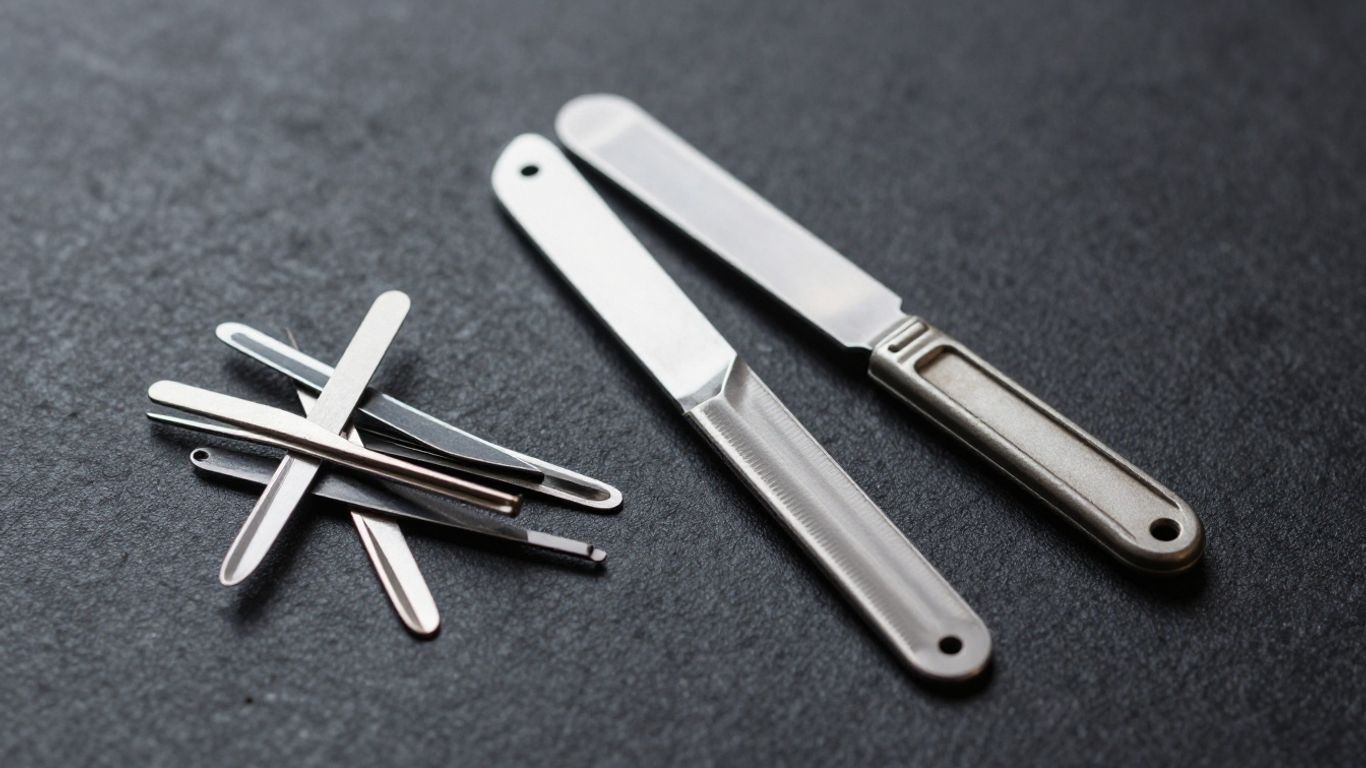
When you're running a busy barber shop, every penny counts, and that includes the cost of your blades. Understanding the financial side of single edge versus double edge blades is key to making smart choices for your business.
Economic Advantages of Double Edge Blades
Double edge (DE) blades are generally the more budget-friendly option. Because they are essentially just a thin strip of metal, they are much cheaper to produce. You can often find packs of 100 DE blades for a few dollars, making the cost per blade incredibly low, sometimes just a few cents. This means you can offer clients a fresh blade for every shave without a significant hit to your bottom line. The sheer volume and low unit cost make DE blades a clear winner for affordability.
Cost Considerations for Single Edge Blades
Single edge (SE) blades, while offering a different shaving experience, tend to be more expensive per blade. They often come in smaller quantities and may have more complex manufacturing processes or coatings that drive up the price. While they might last longer in terms of shaves per blade for some users, the initial cost is higher. For a barber shop that goes through a lot of blades, this can add up quickly.
Long-Term Value for Professional Use
- Lower Cost Per Shave: Even if an SE blade costs more upfront, if it provides significantly more shaves, the cost per shave might be comparable or even lower. However, for most barbering scenarios, the frequent need for a fresh, sharp blade often favors the lower per-unit cost of DE blades.
- Inventory Management: The lower cost of DE blades simplifies inventory. You can stock up without a massive capital outlay, and the risk of old stock expiring or becoming unusable is reduced.
- Client Perception: While not strictly a cost, offering a fresh blade for every client can be a significant draw. The lower cost of DE blades makes this practice more feasible.
The economic reality is that for a high-volume service like barbering, the inexpensive nature of double edge blades often translates to better overall value. While single edge blades have their place, their higher per-unit cost can be a barrier for businesses focused on maximizing affordability for both themselves and their clients.
For example, a pack of 100 Merkur DE blades might cost around $60, making each blade about $0.60. Compare this to some SE blades which can easily cost $1 or more each. When you factor in changing blades multiple times a day, the savings with DE blades become quite apparent. You can explore various DE blade options, like those from Bambaw, to find the best balance of cost and performance for your shop. This allows you to maintain high standards of hygiene and client satisfaction without breaking the bank.
Client Comfort and Skin Sensitivity
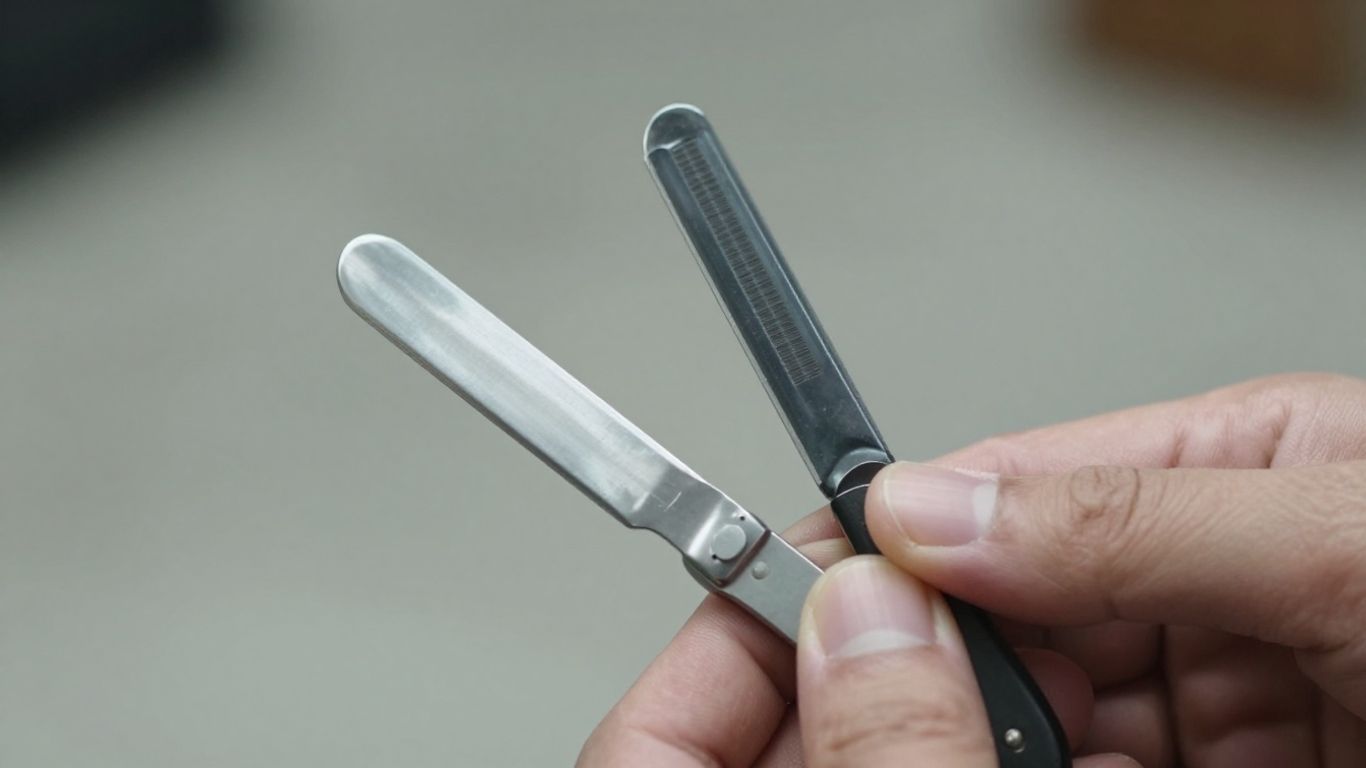
When you're working with clients, their comfort is just as important as the quality of the shave. Different blades interact with the skin in various ways, and understanding these differences can help you provide a more pleasant experience, especially for those with sensitive skin.
Minimizing Irritation with Single Edge Blades
Single edge blades, often found in box cutters or specialized grooming tools, can offer a controlled shave. Because they typically have a thicker blade and a more exposed edge, they can sometimes feel less forgiving than a double edge blade if not handled with care. However, their design can also mean less blade flex against the skin, which might reduce irritation for some individuals. The key here is technique; a light touch and proper skin preparation are paramount. For clients prone to nicks and cuts, a single edge blade, when used correctly, can be a good option.
Reducing Skin Irritation with Double Edge Blades
Double edge (DE) blades, while sharper and thinner, can also be very gentle on the skin when used properly. The advantage of a DE blade is its ability to cut hair with less pressure. If a blade is too dull, you might press harder, leading to razor burn. A sharp DE blade, used with a light hand, can glide over the skin, minimizing friction. Many barbers find that DE blades, especially when paired with a good quality shaving cream or soap, provide a close shave with minimal discomfort. It's often about finding the right balance between blade sharpness and your client's skin type. For those seeking a smooth shave, exploring different DE blades is a good idea best razors for men.
Addressing Sensitive Skin Concerns
Sensitive skin requires a thoughtful approach. Some clients might find that even a sharp blade causes irritation if their skin is easily aggravated. In such cases, a blade that isn't overly aggressive might be preferable, even if it means a slightly less close shave on the first pass. Conversely, some individuals with sensitive skin find that a sharper blade, used with a very light touch, actually reduces irritation because it cuts the hair more cleanly, requiring fewer passes. It's a bit of a balancing act.
- Blade Sharpness: Consider the client's hair type and skin sensitivity. Coarse hair might need a sharper blade, but sensitive skin might react better to a milder one.
- Blade Angle: Always maintain a consistent, shallow angle to avoid digging the blade into the skin.
- Pressure: Apply minimal pressure. Let the blade do the work. Too much pressure is a common cause of irritation.
- Blade Longevity: Replace blades frequently. A dull blade tugs at the hair and skin, causing more irritation than a sharp one.
When dealing with sensitive skin, remember that preparation is half the battle. Exfoliating gently before a shave can help remove dead skin cells that might otherwise clog pores or cause ingrown hairs. Using a quality pre-shave oil or a rich lather can also create a protective barrier between the skin and the blade, significantly reducing friction and discomfort. Shaving sensitive skin demands gentle products and a careful approach best methods and products.
Ultimately, the best approach is to communicate with your client. Ask about their past experiences with shaving and any sensitivities they may have. Experimenting with different blade types and brands, perhaps through a sampler pack, can help you and your client discover the perfect combination for a comfortable and irritation-free shave.
Conclusion
Choosing between single edge and double edge razor blades ultimately comes down to the specific needs of your barbering practice and your clientele. While double edge blades offer cost-effectiveness and a familiar approach for many, single edge blades provide a distinct advantage in precision and control, especially for detailed work. By understanding the nuances of each type, you can make informed decisions that enhance your services, ensure client comfort, and contribute to the overall success of your barber shop. Experimenting with both, and observing client feedback, will help you refine your toolkit and deliver the best possible shaving experience.
Frequently Asked Questions
What exactly is a single edge razor blade?
A single edge razor blade has just one sharp side. Think of it like a knife with only one side that cuts. This makes it really good for getting very close to the skin and doing detailed work, like cleaning up necklines. Barbers often use these because they give you a lot of control.
How is a double edge blade different?
A double edge blade has two sharp sides, one on each side of the metal strip. You can flip it over to use the other side. They are usually cheaper and a lot of people use them for their everyday shaving. They're good for shaving larger areas but might not offer the same fine control as a single edge blade.
Are single edge blades better for barbers?
It depends on what you're doing. For super precise work, like shaping beards or cleaning up edges, single edge blades are often preferred because they give you more accuracy. For general shaving of the face, double edge blades can also work well and are often more budget-friendly.
Which type of blade is cheaper?
Generally, double edge blades are cheaper per blade. You can often buy packs of them for a very low price. Single edge blades, especially the thicker, more specialized ones used in some professional razors, can cost a bit more. But remember to think about how many shaves you get from each.
Can using the wrong blade cause skin problems?
Yes, it can. If a blade is too sharp for someone's skin or hair type, or if it's dull, it can lead to cuts, redness, or razor bumps. Using a blade that's not right for the client's skin sensitivity or hair thickness is a common reason for irritation.
How often should I change a razor blade?
You should change blades often, especially when you're working with different clients. For single edge blades, it's often best to use a fresh one for each client or at least very frequently. Double edge blades can sometimes be used for a few shaves, but always check if they feel dull. Keeping blades sharp and clean is super important for a good, safe shave.