

How to Stop Bleeding After a Shave Cut: The Professional Barber's Guide to Aftercare
Even with the steadiest hand, a shaving cut can happen. Learning how to stop bleeding after a shave cut professionally is key to a smooth post-shave experience. This guide, drawing from barber insights, will walk you through the quick fixes and aftercare needed to get you back on track, minimizing discomfort and promoting healing.
Key Takeaways
- To stop bleeding after a shave cut, start by splashing the area with cold water to constrict blood vessels, then apply firm, steady pressure with a clean cloth or tissue.
- Professional barbers often use styptic pencils or alum blocks, which contain astringents that help blood clot quickly and seal minor cuts.
- After controlling the bleeding, apply an alcohol-free antiseptic like witch hazel to clean the wound and prevent infection.
- Follow up with a soothing, hydrating balm containing ingredients like aloe vera to aid healing and reduce the chance of scarring.
- Prevent future cuts by properly preparing your skin, maintaining sharp razor blades, and using correct shaving techniques, always shaving with the grain.
Immediate Steps to Stop Bleeding After a Shave Cut
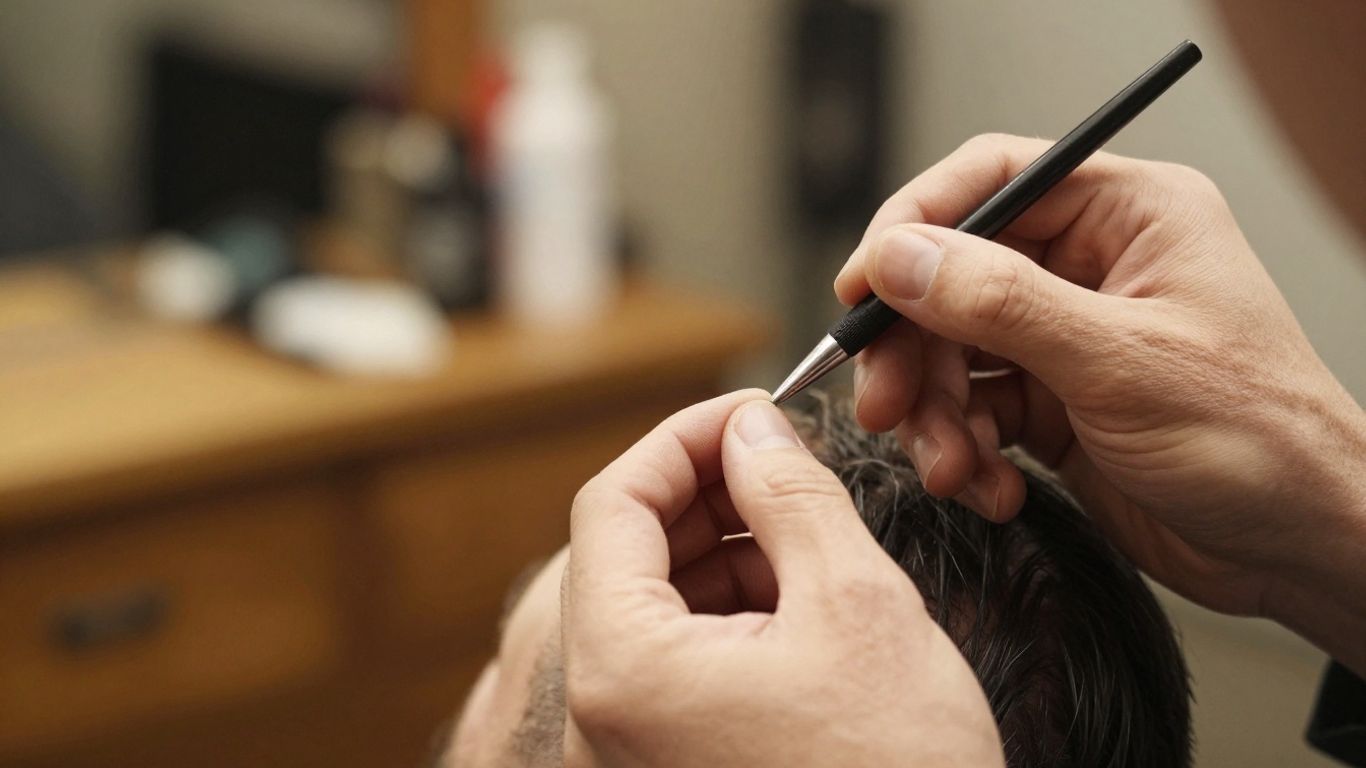
Even the most skilled barber can occasionally nick a client's skin. When this happens, the immediate priority is to stop the bleeding quickly and effectively. Fortunately, there are simple, tried-and-true methods to manage these minor cuts.
Apply Cold Water to Constrict Blood Vessels
The first thing you should do is rinse the affected area with cold water. The cold temperature causes the tiny blood vessels near the skin's surface to contract, which helps to slow down the blood flow. This is a natural reaction that aids in the initial stages of clotting. You can either splash cold water directly onto the nick or apply a clean cloth soaked in cold water.
Utilize Firm Pressure to Aid Coagulation
After applying cold water, apply gentle but firm pressure to the cut with a clean tissue or a piece of toilet paper. Hold the pressure for about 30 seconds to a minute. This direct pressure helps to encourage the blood to coagulate, forming a clot and stopping the flow. It's important not to rub the area, but rather to apply steady pressure.
Employ Astringents for Rapid Sealing
If cold water and pressure aren't enough, or for a more immediate seal, an astringent can be very helpful. These products work by contracting the skin and blood vessels, which helps to stop bleeding quickly. A common and effective option is a styptic pencil, which you can wet and apply directly to the nick. Another traditional method is using an alum block, which also has astringent properties and can help to soothe the skin. For minor nicks, a dab of petroleum jelly can also create a temporary barrier to help stop bleeding.
Remember that most shaving cuts are minor and should stop bleeding within a couple of minutes with the right approach. Patience and the correct application of these simple steps are key to managing them effectively.
Professional Tools for Halting Shave Cut Bleeding
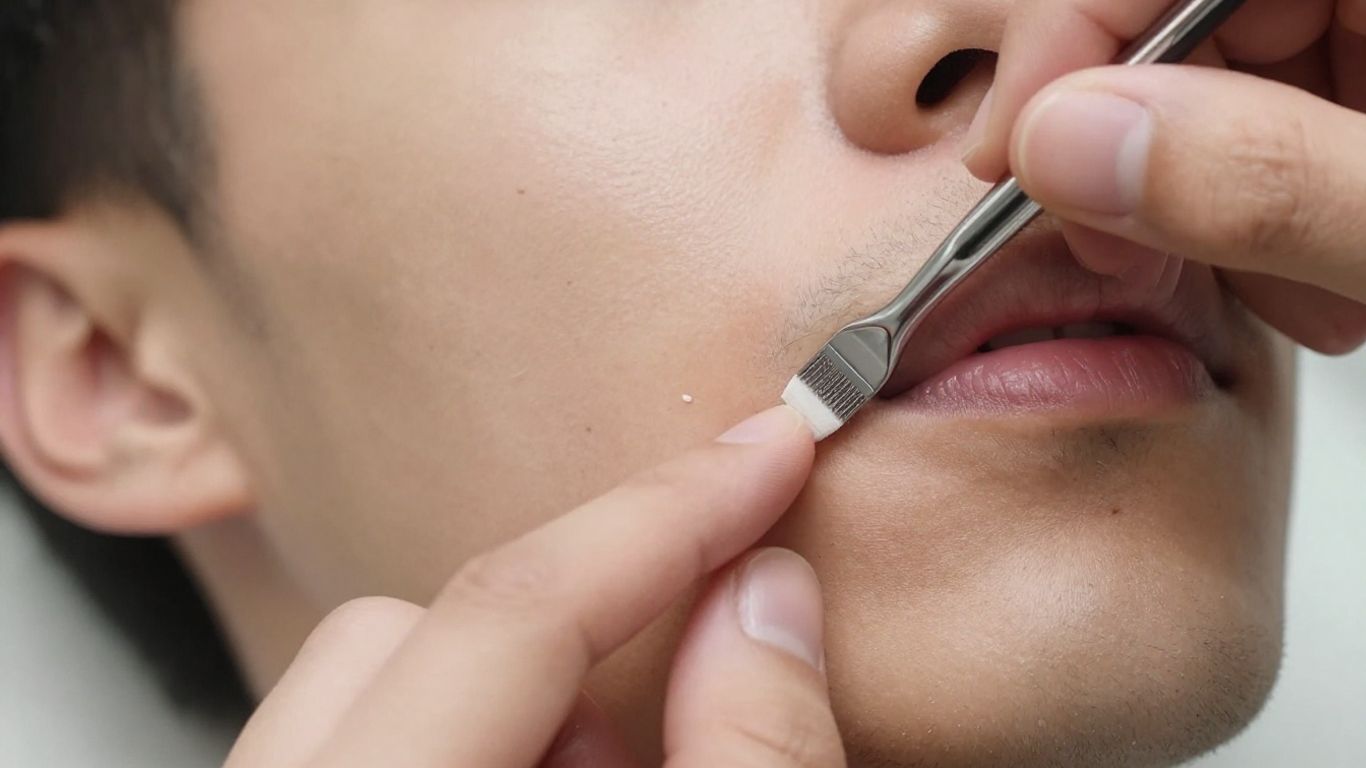
Even with the most careful shaving, minor nicks can happen. Fortunately, barbers have a few go-to items that work wonders for stopping that little bit of bleeding quickly. These aren't complicated, but they are effective.
The Efficacy of Styptic Pencils
A styptic pencil is a small, solid stick that you'll find in most barber kits. It's designed to work fast. When you apply the tip of a wet styptic pencil directly to a small cut, the ingredients inside help to contract the skin and blood vessels. This action causes the blood to clot, or coagulate, and stop bleeding. You might feel a slight sting for a moment, but that's usually a sign it's doing its job. It's a really handy item to have on hand for those unexpected little cuts. Many find these pencils to be an essential item for professional barber stations.
Leveraging Alum Blocks for Hemostasis
Alum blocks are another traditional barber tool. They are essentially a crystal that has astringent properties. When you wet the alum block and gently rub it over a nick, it helps to stop bleeding by tightening the skin and blood vessels. Beyond just stopping the flow of blood, alum can also help to soothe the skin and close up pores after a shave, leaving your face feeling refreshed. It's a bit like a multi-tasker for post-shave care.
Understanding Antiseptic Applications Post-Bleeding
Once the bleeding has been controlled with a styptic pencil or alum block, it's a good idea to apply an antiseptic. This step helps to clean the area and prevent any bacteria from causing an infection. You don't need anything harsh; a gentle, alcohol-free option like witch hazel works well. This ensures that the small wound stays clean as it begins to heal. It's a simple but important step in the aftercare process.
Keeping these tools handy means you can deal with minor nicks efficiently, preventing them from becoming a bigger issue and allowing you to continue with your day without much interruption.
Advanced Techniques for Persistent Bleeding
When to Seek Professional Medical Attention
Sometimes, despite your best efforts, a shave cut might bleed more than expected. If you've applied pressure and used standard clotting agents like a styptic pencil or alum block, and the bleeding doesn't slow down or stop within about 10 to 15 minutes, it's time to consider seeking professional help. This could be especially true for cuts on the upper lip or neck, areas known for more blood flow. Persistent bleeding might suggest a deeper cut than initially apparent, or perhaps an underlying issue that requires a doctor's attention. Don't hesitate to reach out to a medical professional if you're concerned.
Recognizing Signs of Infection
After a cut has stopped bleeding, keeping an eye on it for signs of infection is important for proper healing. Look out for increased redness spreading from the cut, warmth around the area, swelling that gets worse, or any pus. A fever could also be a sign that your body is fighting an infection. If you notice any of these symptoms developing a day or two after the initial cut, it's best to consult a healthcare provider. Early detection and treatment can prevent more serious complications.
Managing Deeper Lacerations
While most shave cuts are minor, occasionally, a deeper laceration can occur. For these more significant wounds, the immediate priority is to control the bleeding. Applying firm, direct pressure with a clean cloth or gauze is the first step. You might need to maintain this pressure for a longer period, perhaps 5 to 10 minutes without lifting to check. If the bleeding is profuse and doesn't seem to be controlled by pressure alone, it's a clear indicator that professional medical attention is necessary. A deeper cut might require stitches or other medical interventions to ensure it heals properly and to minimize the risk of scarring. Remember, when in doubt, always err on the side of caution and seek medical advice.
It's important to remember that while home remedies are effective for minor nicks, they have their limits. Understanding when a cut requires more than just a styptic pencil is key to responsible aftercare.
Essential Aftercare for Healing Shave Cuts
After you've managed to stop the bleeding from a shave cut, the work isn't quite done. Proper aftercare is key to helping the skin heal smoothly and without issue. It's about more than just patching up the immediate problem; it's about setting the stage for healthy skin.
Applying Healing Balms and Moisturizers
Once the bleeding has ceased, your skin needs some attention to recover. Think of this as nurturing the area back to its best. You'll want to reach for products that help calm any lingering irritation and support the skin's natural repair processes. A good, gentle moisturizer or a healing balm can make a big difference here. Look for formulas that are free from alcohol and strong fragrances, as these can sometimes cause more stinging or dryness on sensitive, freshly cut skin.
Applying a small amount of product and gently smoothing it over the affected area helps to replenish moisture that shaving can strip away. This step also helps to fortify your skin's natural barrier, which is important for protecting it as it heals.
The Role of Soothing Ingredients
When selecting a balm or moisturizer, pay attention to what's inside. Certain ingredients are particularly good at helping skin recover. Aloe vera is a classic choice, known for its cooling and anti-inflammatory properties. Shea butter is another excellent option, providing deep hydration without feeling heavy. Chamomile can also help to calm redness and soothe discomfort.
These types of ingredients work to reduce inflammation and provide a protective layer, aiding the skin's natural healing cycle. It's about giving your skin the support it needs to bounce back.
Preventing Scarring and Irritation
Taking care of a shave cut properly can also help prevent it from leaving a lasting mark. Keeping the area clean and moisturized is the best approach. Avoid picking at the cut or the scab that might form, as this can disrupt the healing process and increase the chance of scarring. If you find yourself dealing with frequent nicks, consider how you prepare your skin and maintain your razor blades for future shaves.
Here are a few points to keep in mind for optimal healing:
- Keep the cut clean by gently rinsing with cool water.
- Apply a thin layer of healing balm or moisturizer regularly.
- Avoid harsh scrubbing or applying abrasive products to the area.
- Resist the urge to pick at any scabs that form.
While most shaving cuts are minor, it's important to monitor them. If a cut appears to be getting worse, showing signs of infection like increased redness, swelling, or pus, or if it doesn't stop bleeding after a reasonable time, it's best to consult a healthcare professional. They can provide guidance and ensure proper healing.
Preventative Measures to Avoid Future Shave Cuts
Nobody enjoys dealing with a bleeding cut after shaving. It’s a common annoyance, but thankfully, most of these little nicks are avoidable with a bit of know-how and attention to detail. Think of it as fine-tuning your approach to shaving, making it less of a chore and more of a smooth, controlled process. By focusing on preparation, technique, and the right tools, you can significantly reduce the chances of encountering those unwelcome bleeds.
Proper Skin and Beard Preparation
Getting your skin and beard ready before the razor even touches your face is half the battle. A warm shower is a great starting point; it softens the beard hairs and opens up your pores, making them more pliable. This makes it easier for the razor to glide through, rather than snagging on stiff stubble. After warming up, applying a quality shaving cream or gel is non-negotiable. This isn't just about lather; it creates a protective cushion between your skin and the blade. It allows the razor to move freely, reducing friction and the likelihood of catching your skin. Some barbers even recommend a pre-shave oil for an extra layer of protection, especially if you have sensitive skin.
- Warm water rinse: Softens hair and opens pores.
- Apply shaving cream/gel: Creates a protective barrier.
- Consider pre-shave oil: Adds an extra layer of defense.
Skipping these preparatory steps is like trying to run a marathon without stretching – you're setting yourself up for unnecessary strain and potential injury.
Maintaining Sharp and Clean Razor Blades
This is a big one, and honestly, it’s often overlooked. A dull blade is a menace. It tugs at the hair instead of cutting it cleanly, which not only feels unpleasant but also dramatically increases your risk of nicks and cuts. Think about it: a dull blade requires more pressure to get the job done, and that extra pressure is what leads to slips and uneven passes. You should aim to replace your razor blades regularly, or at least sharpen them if you're using a straight razor. Keeping your razor clean is just as important. Rinse it thoroughly after each use to remove hair and shaving cream. A quick rinse isn't always enough; sometimes, a more thorough cleaning, perhaps with a bit of rubbing alcohol, can help prevent gunk buildup that dulls the blade.
| Blade Type | Recommended Replacement Frequency |
|---|---|
| Cartridge | Every 5-10 shaves |
| Disposable | After 3-5 uses |
| Straight Razor | Sharpen as needed (professional) |
Adhering to Correct Shaving Techniques
Even with the best preparation and the sharpest blade, poor technique can still lead to trouble. One of the most common mistakes is applying too much pressure. Remember, the razor should do the work; you just need to guide it. Light, steady strokes are far more effective and safer than pressing down hard. It’s also important to understand the direction of your hair growth, often called the grain. Shaving with the grain on your first pass is generally the safest approach. If you need a closer shave, you can go against the grain on a subsequent pass, but do so with extreme caution and ensure your skin is well-lubricated. Stretching the skin taut with your free hand can also help create a smoother surface for the razor, reducing the chance of it catching on uneven areas. Finally, don't rush. Take your time, especially around sensitive areas like the jawline and neck. A few extra minutes spent shaving carefully can save you a lot of time dealing with bleeding cuts later on. For more on refining your shave, consider looking into proper shaving techniques.
Wrapping Up Your Shave Routine
So, you've learned how to handle those little nicks and cuts that sometimes happen. It's all about staying calm, applying pressure, and using the right products to stop the bleeding and help your skin heal. Remember, a little preparation goes a long way in preventing these issues in the first place. By taking your time, using sharp blades, and following the right techniques, you can significantly reduce the chances of cuts. And if one does happen, you now have the know-how to deal with it quickly and effectively. Keep practicing, and your shaves will become smoother and more comfortable over time.
Frequently Asked Questions
What's the quickest way to stop a small cut from bleeding?
To stop a small cut from bleeding, you should first splash it with cold water. This helps to shrink the tiny blood vessels. Then, gently but firmly press a clean cloth or tissue onto the cut for about 30 seconds. If it's still bleeding a little, you can try dabbing it with a styptic pencil or an alum block, which helps seal the cut.
Can Vaseline really stop a shaving cut from bleeding?
Yes, a little bit of Vaseline can help. It creates a protective layer over the cut, which can slow down or stop minor bleeding. It's not as strong as special products like styptic pencils, but it can work in a pinch to keep the area clean while it heals.
What do barbers use to make cuts stop bleeding so fast?
Barbers often use styptic pencils or alum blocks. These items have special ingredients that make your skin tighten up and help the blood clot very quickly. They are very effective for small nicks and cuts that happen during a shave.
How long should a shaving cut normally take to stop bleeding?
Usually, a small shaving cut should stop bleeding within 30 seconds to a couple of minutes if you apply gentle pressure. If it keeps bleeding for longer than 15 minutes, even after trying these methods, it might be a deeper cut, and you should consider seeing a doctor.
Should you put alcohol on a shaving cut?
It's generally best to avoid alcohol-based products on a fresh shaving cut. While alcohol can kill germs, it can also sting a lot and dry out your skin, which might slow down the healing process. It's better to use gentle, alcohol-free options like witch hazel or a mild antiseptic.
What should you do after the bleeding stops to help the cut heal?
Once the bleeding has stopped, gently clean the area. You can then apply a healing balm or a moisturizer with ingredients like aloe vera to soothe the skin. This helps the cut heal faster, reduces the chance of scarring, and keeps the skin from getting too dry or irritated.