

How Much Does It Cost to Stock a UK Barbershop? A Real Breakdown for New Owners
So, you're thinking about opening a barbershop in the UK? That's exciting! The men's grooming scene is really booming right now, and a well-run barbershop can be a solid business. But before you start dreaming of perfectly sculpted fades and loyal customers, you need to get a handle on the costs. It's not just about the scissors and chairs; there's a whole lot more that goes into stocking up your shop. We're going to break down the real cost to stock barbershop UK supplies, so you know exactly what you're getting into.
Key Takeaways
- The total startup cost for a UK barbershop can range widely, typically from £15,000 for a basic setup to £60,000 or more for a premium location and high-end equipment.
- Essential equipment like professional barber chairs, mirrors, quality clippers, and scissors represent a significant portion of the initial investment, with costs varying based on brand and quality.
- Don't forget the initial product inventory for both service use and retail sales; this includes hair styling products, beard care items, and disposables, with estimates around £250 to £750 for a starting stock.
- Beyond equipment and products, factor in legal and administrative costs such as business registration, licenses, and insurance, which can add up to £1,000 to £3,000.
- Strategic location and premises fit-out are major expenses. Rent deposits, renovations, and interior design can easily add £10,000 to £50,000+ to your initial budget.
Initial Investment For Barbershop Supplies In The UK
Setting up your own barbershop is a big step, and one of your first real challenges will be laying out the initial cash for the essentials. The decisions you make here shape your working environment and directly impact your clients’ first impressions and comfort.
Understanding The Total Startup Cost
Your initial outlay depends a lot on the shop’s size, level of finish, and the brands of equipment you choose, but most UK barbershops spend between £15,000 and £60,000 to cover everything needed to open the doors.
Here's a simple table to show common startup ranges:
| Item | Typical Cost Range (£) |
|---|---|
| Equipment & Furniture | 6,000 - 25,000 |
| Initial Product Inventory | 250 - 750 |
| Fit-Out & Decoration | 10,000 - 50,000 |
| Licensing & Fees | 1,000 - 3,000 |
| Initial Marketing | 1,000 - 5,000 |
| Working Capital Reserve | 3,000 - 12,000 |
- Smaller shops with fewer chairs will be close to the lower end.
- High-footfall or prime locations, or a high-end fit-out, will push costs up.
- There's often a trade-off between starting small now and planning to expand later.
Even with a modest fit-out, the need for reliable equipment and a welcoming space means initial costs are sometimes underestimated. Take time to budget each area carefully.
Breakdown Of Essential Equipment And Furniture
Your equipment and furniture are what you, your staff, and every guest interact with every day. Think of each station as both your workspace and your clients’ comfort zone.
Typical basics include:
- Barber chairs (at least one per staff member)
- Large, well-lit mirrors for each station
- Storage units and shelving for tools and products
- Reception desk and waiting chairs or sofas
- Backwash basins (including associated plumbing)
A quality barber chair alone can range from £400 for basic models to over £1,500 for premium brands. Mirrors run from £70 for simple versions to over £400 with features like integrated lighting. Styling stations and mirrors are one of the biggest non-negotiable expenses.
Initial Inventory Of Hair And Beard Products
You can't run a barbershop without the right products. Your first order should cover:
- Hair gels, pomades, and styling creams
- Shampoos and conditioners
- Beard oils and balms
- Sanitation and cleaning products
- Aftershaves and colognes
For a small to mid-sized barbershop, expect your first inventory purchase to fall between £250 and £750, depending on the variety and brands you want to offer. Remember, you’ll need enough for both service use and some for retail shelves if you plan to sell directly to clients.
Buying starter packs or bundles from suppliers can help you keep costs down, and some products are available at wholesale prices with larger orders.
Taking the time now to thoroughly plan your initial investment gives you a clearer path for the rest of your setup process. It also helps you avoid those all-too-common, budget-busting surprises a few weeks before your grand opening.
Essential Equipment And Tools For Your Barbershop
Getting your barbershop up and running means you’ll need the right gear on day one. Skimping early on can end up costing you more later, not just in repairs or replacements, but also in customer satisfaction and staff comfort. Let’s lay out exactly what you need and what you should expect to pay for quality tools and equipment in the UK.
Professional Barber Chairs And Mirrors
Your shop’s chairs and mirrors do more than fill up space—they set the feel for your whole business and have a huge impact on how comfortable both customers and staff will be. Investing up front in durable chairs pays off over many years.
| Item | Typical Cost (per unit) | Notes |
|---|---|---|
| Barber Chair | £400 - £1,500 | Hydraulic is best |
| Mirror (large) | £70 - £400 | Prefer LED lighting |
| Work Station Unit | £120 - £600 | Includes storage |
- Each cutting station should have its own mirror and organized workspace.
- Consider at least one waiting area sofa or several chairs (approx. £100–£400 total).
- Don’t overlook a proper reception desk to help your workflow.
Customers really judge a shop by its look and feel. A clean modern chair and bright, clear mirrors instantly create the right first impression.
High-Quality Cutting Scissors And Clippers
Without good scissors or clippers, delivering perfect cuts every time is tough. Each barber needs at least one top-quality pair of scissors and one professional grade clipper.
| Item | Price Range | Recommendation |
|---|---|---|
| Scissors | £40 - £250/pair | Buy reputable brand |
| Clippers | £30 - £350/unit | Rechargeable models |
| Trimmers | £30 - £150/unit | Detail finishing |
- Choose Japanese or German steel for scissors—they last longer and stay sharp.
- Replacement blades and guards add about £50 per barber to your setup.
- Consider your ongoing costs: maintaining clippers is part of your monthly shop budget. You can read more about the impact of gear costs from a recent article on rising barber expenses.
Essential Tools And Grooming Accessories
It’s easy to forget a few small items, but they add up to make your life much easier—and your customers’ visits better.
- Razors (straight, safety, and disposable)—don’t forget training for staff if using open razors
- Combs and brushes (multiple for hygiene)
- Capes and disposable neck strips
- Disinfectant jars or UV sterilizers (£60–£250)
- Wash basins (at least one per shop, £300–£800)
- Hot towel steamer (about £120)
- Towels (invest in plenty; commercial packs of 24-36 for about £25-£80)
Nowadays, technology feels almost as important as your cutting kit. A small card reader for contactless payments, a simple online booking tool, and perhaps a digital loyalty card system can make things smoother for you and your clients. Entry-level options don’t need a big budget, but put aside at least £50–£100 to get started with these basics, with monthly software costs around £10–£30.
If you budget wisely for strong gear—especially your main tools—you’ll replace things less often, and your team will thank you every shift.
Before you buy anything, shop around and compare prices and warranties. Sometimes getting the best deals means talking with other local shop owners or looking into used gear in good condition. Overall, total essential equipment outlay for a small barbershop (2-3 chairs) usually ranges between £6,000 and £25,000, depending on the brands you choose and whether you want brand new or gently used items. This up-front investment will absolutely set the tone for your business—and how it’s perceived by everyone who walks in the door.
Product Inventory And Retail Considerations
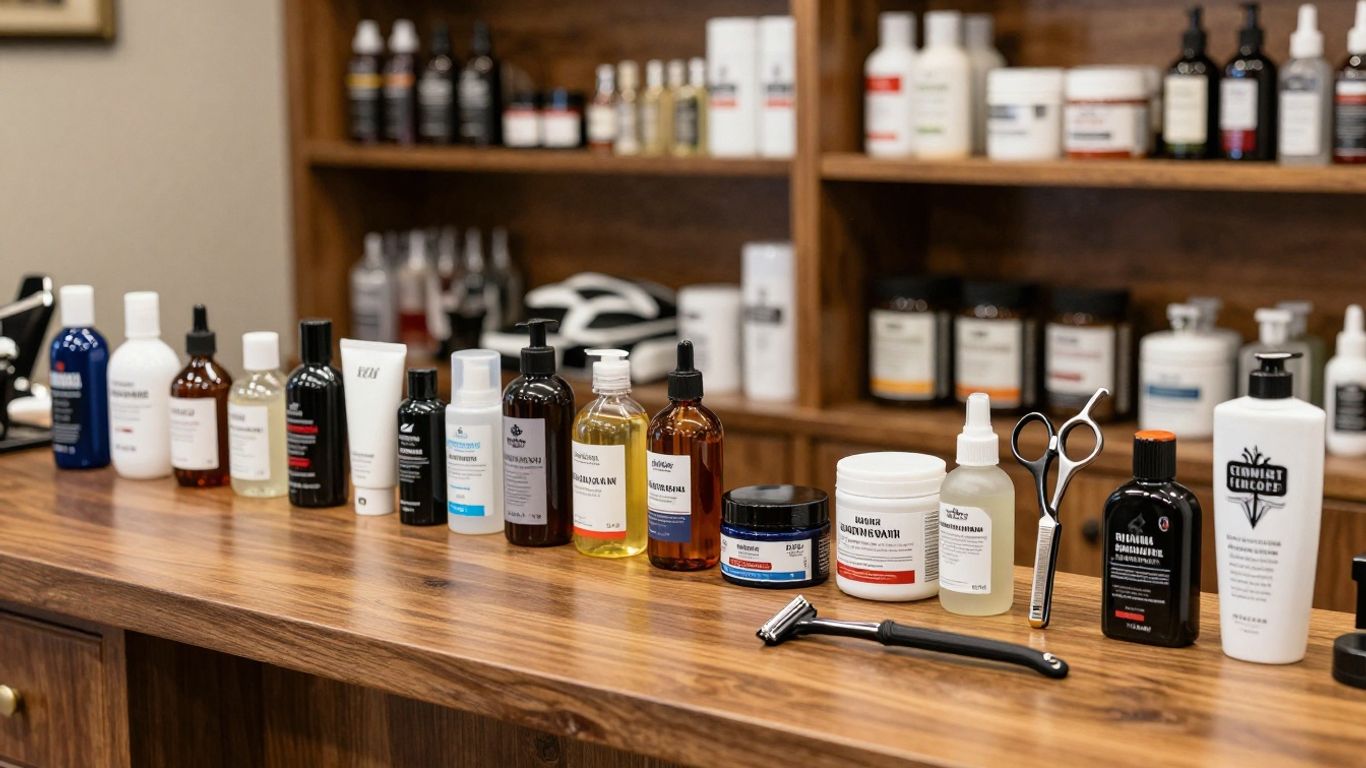
Stocking your barbershop isn't just about having the right tools; it's also about having the right products for services and for sale. This part of your startup budget can really add up, so it's smart to plan it out carefully. You'll need products for the services you offer, like shampoos and styling aids, and then you'll want a selection of items for clients to purchase and take home.
Stocking Hair And Beard Care Products
When you're setting up your initial inventory, think about the brands and types of products that fit your shop's image and your target clientele. Are you going for a high-end, luxury feel, or a more down-to-earth, everyday vibe? This choice will guide your product selection. You'll need professional-grade items for use during services – think quality shampoos, conditioners, and treatments. For retail, aim for a curated selection that complements your services and addresses common client needs. Don't try to stock everything; focus on a few key brands and product types that you genuinely believe in and can speak knowledgeably about. This approach helps manage costs and avoids overwhelming your customers. You can always expand your retail range later based on what sells well.
Determining Initial Product Quantities
Figuring out how much product to buy initially can be tricky. A common recommendation is to stock enough for about two to three months of operation. This gives you a buffer without tying up too much capital in stock that might not move quickly. Consider the volume of services you anticipate performing and the expected retail sales. It's better to run slightly low on a retail item and reorder than to be stuck with excess inventory. You can use tools to help calculate potential profit margins on retail items, which can inform your purchasing decisions.
Here's a rough idea of what you might need:
- Shampoos & Conditioners: 5-10 bottles each (depending on variety)
- Styling Products (Pomades, Waxes, Gels): 10-20 units each (mix of popular hold levels)
- Beard Oils & Balms: 5-10 units each
- Aftershaves & Lotions: 5-10 units each
- Specialty Treatments (e.g., scalp treatments): 3-5 units each
Retail Product Strategy For Additional Revenue
Your retail section is a prime opportunity to boost your barbershop's income. Think of it as an extension of your service. You're not just selling a product; you're selling the solution to a grooming problem or the key to achieving a certain look. Train yourself and your staff to recommend products naturally during or after a service. For example, if you've given a client a sharp, textured style, recommend the pomade or wax you used. This makes the recommendation feel authentic and helpful. Offering a small range of high-quality products can significantly increase your average ticket price without requiring much extra time. It's a smart way to add revenue streams and build customer loyalty by providing them with the tools to maintain their look at home. You can explore different product pricing strategies to maximize your profit from these sales.
Legal And Administrative Costs For Barbershops
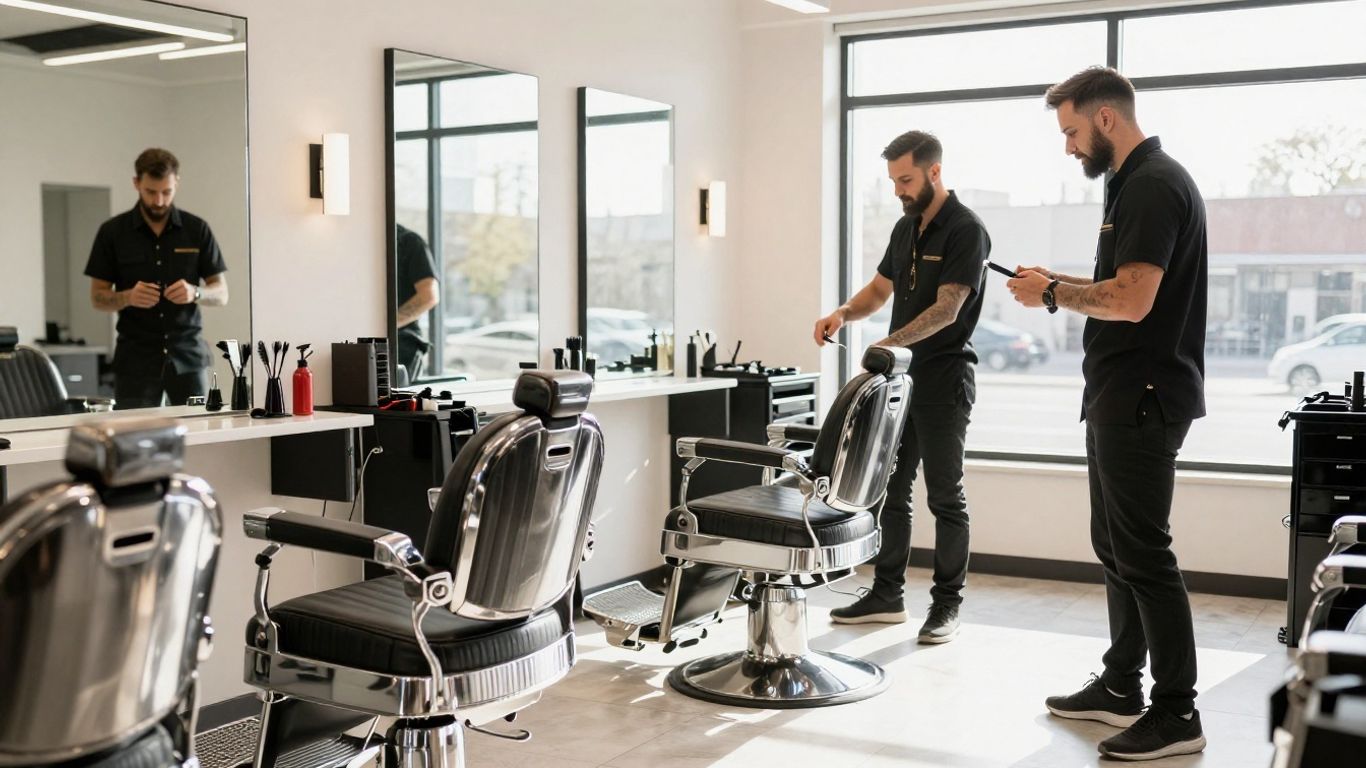
Starting a barbershop involves more than just buying clippers and finding a good location. You'll also need to sort out the official stuff, which comes with its own set of costs. It's not the most exciting part, but getting it right from the start saves a lot of headaches down the line.
Business Registration And Licensing Fees
First off, you need to decide on your business structure. Will you be a sole trader, a partnership, or a limited company? Each has different registration requirements and implications for your taxes. Registering with Companies House if you're a limited company involves a small fee, usually around £12 to £50. You'll also need to register for Self Assessment with HMRC. Beyond that, check with your local council for any specific business operating licenses or permits required in your area. These can vary, so it's worth a phone call or a look at their website.
Insurance Requirements For Barbershops
Insurance is non-negotiable. You absolutely need public liability insurance. This protects you if a client has an accident or injury in your shop. The minimum recommended coverage is typically £1 million, but £5 million is often preferred. If you plan to hire any staff, even part-time, employer's liability insurance is a legal requirement, with a minimum coverage of £5 million. You might also consider contents insurance for your equipment and stock, and perhaps business interruption insurance in case you have to close temporarily due to unforeseen circumstances. Shopping around for quotes from different providers is a smart move to get the best deal.
Professional Fees And Compliance Costs
Depending on your comfort level with paperwork and regulations, you might want to bring in some professional help. Hiring an accountant, even just for the initial setup and advice, can be incredibly beneficial. They can help you navigate tax registrations, set up your bookkeeping system, and advise on the best business structure. Fees can range from a few hundred pounds for basic setup to more if you require ongoing services. Staying compliant with health and safety regulations is also key. While there aren't specific barbering qualifications legally required to operate, ensuring your staff are trained and your practices meet industry standards is important for both client safety and your business's reputation. You can find barbering courses through various training providers across the UK.
It's easy to overlook the administrative side when you're focused on the creative aspects of barbering. However, neglecting these legal and financial foundations can lead to significant problems later on. Budgeting for these costs upfront is a sign of a well-prepared business owner.
Here's a rough idea of what you might expect for these initial legal and administrative costs:
| Item | Estimated Cost (GBP) | Notes |
|---|---|---|
| Business Registration (Ltd) | £12 - £50 | Fee for registering with Companies House. |
| Accountant Setup Fee | £200 - £1,000 | Varies based on complexity and services required. |
| Public Liability Insurance | £300 - £1,500 (annual) | Depends on coverage level, location, and business size. |
| Employer's Liability Ins. | £300 - £1,500 (annual) | Legally required if you have staff; cost varies. |
| Local Council Permits | £0 - £500 | Varies significantly by local authority and business type. |
| Total Estimated Range | £812 - £3,550 | This is an initial estimate; actual costs may differ. |
Remember to factor in ongoing costs like annual insurance renewals and potential accounting fees throughout the year. Getting these legal and administrative aspects sorted early can provide peace of mind and allow you to focus on building your client base and perfecting your craft. You can find more details on general startup costs for a barbershop here.
Strategic Location And Premises Fit-Out Costs
The physical space you choose for your barbershop is a massive factor in its success, and fitting it out properly is where a good chunk of your initial investment will go. It's not just about finding a spot; it's about finding the right spot and making it work for you and your clients.
Evaluating Location Costs And Impact
Location impacts everything from foot traffic to rent. A high street spot might give you more walk-in customers, but the rent will likely be higher. Think about who your ideal client is and where they are likely to be. Are you aiming for busy professionals who need a quick trim near their office, or a more relaxed, community vibe in a residential area? The cost of commercial rent in the UK can vary wildly. For a mid-range spot, you might be looking at £600 to £2,000 per month, but prime locations, especially in major cities, can easily push that figure to £2,400 or much more. It's a big decision, and getting it wrong can be costly.
- High Foot Traffic Areas: Good for attracting new clients but often come with higher rent and competition.
- Residential Areas: Can build a loyal local customer base, potentially with lower rent.
- Business Districts: Ideal for targeting professionals, but consider opening hours and weekend trade.
Choosing the right location is more than just picking a street; it's about aligning your business with the needs and habits of your target clientele. A well-chosen spot can significantly reduce your initial marketing efforts.
Fit-Out Expenses For Barber Stations And Waiting Areas
Once you've secured your location, you need to make it functional and appealing. This is where the fit-out costs come in. You'll need to consider the layout for your barber stations, ensuring there's enough space for both the barber and the client, plus room for equipment. Don't forget the waiting area – it should be comfortable and inviting. This could involve:
- Barber Stations: Installing sinks, mirrors, lighting, and electrical outlets. The cost here depends heavily on the complexity and materials used.
- Waiting Area: Comfortable seating, a small table for magazines or retail products, and perhaps some decor.
- Reception/Point of Sale: A small counter or desk for managing appointments and payments.
Renovations And Interior Design Investments
Depending on the condition of the premises you lease or buy, you might need significant renovations. This could range from simple cosmetic updates like painting and flooring to more involved work like electrical upgrades, plumbing for washbasins, or even structural changes. Commercial refurbishments can add up quickly, with costs often ranging from £800 to £1,200 per square metre. A well-designed interior can create a strong brand identity and a memorable client experience. Investing in good lighting and a cohesive design scheme will pay off in the long run, making your shop a place people want to return to. Consider the overall aesthetic you want to achieve – modern, classic, minimalist – and budget accordingly. This is where you can really make the space your own and stand out from the competition. For a general idea of startup costs, including equipment and initial rent, a medium-sized shop might fall between £45,000 and £95,000 [f846].
Marketing And Operational Budgeting
Once you've got your equipment and supplies sorted, it's time to think about how you'll get people in the door and keep the business running smoothly. This means setting aside funds for both getting the word out and for the day-to-day costs of operating your barbershop.
Initial Marketing And Grand Opening Expenses
Before you even open your doors, you need to build some buzz. Think about a grand opening event. This isn't just about cutting hair; it's about making a statement. You might offer special discounts for the first week, have some refreshments available, or even arrange for some local music. Social media is your friend here – start posting pictures of the shop's progress, introduce your team, and create a sense of anticipation. A soft launch for friends and family can also help you iron out any kinks before the official opening and generate some early word-of-mouth.
A well-planned grand opening can significantly impact your initial customer acquisition.
Setting Aside Working Capital For Operations
This is the money you'll need to keep the lights on and the business running for the first few months, especially if things are a bit slow to start. It covers things like rent, utilities, salaries (if you have staff), and restocking your product inventory. A good rule of thumb is to have enough to cover three to six months of operating expenses. This buffer is incredibly important for peace of mind and business stability.
Here's a look at what working capital might cover:
- Rent and utilities
- Staff wages
- Product restocking
- Insurance payments
- Unexpected repairs
It's easy to focus only on the startup costs, but forgetting about ongoing operational expenses can lead to serious trouble down the line. Always budget for the 'what ifs' and the steady flow of bills.
Ongoing Marketing And Advertising Costs
Getting customers in the door is one thing; keeping them coming back and attracting new ones is another. You'll need a consistent marketing strategy. This could include:
- Social Media: Regular posts on platforms like Instagram and TikTok, showcasing your work, shop atmosphere, and any special offers. High-quality photos and videos are key here.
- Local SEO: Making sure your barbershop appears when people search for haircuts in your area on Google. This includes optimizing your Google Business Profile.
- Paid Advertising: Consider targeted ads on social media or Google to reach potential clients in your local area.
- Email Marketing: Building a list of your clients' email addresses to send out promotions, appointment reminders, and shop updates.
Many businesses allocate between 2-5% of their revenue to marketing. For a new business, you might need to spend a bit more initially to build awareness. The UK male grooming industry is growing, so there's a market, but you need to reach it. This sector is expanding, so staying visible is important.
| Marketing Activity | Estimated Monthly Cost (GBP) |
|---|---|
| Social Media Management | £100 - £500 |
| Local SEO | £150 - £600 |
| Paid Online Ads | £200 - £1,000 |
| Email Marketing Platform | £20 - £50 |
| Total Estimated | £470 - £2,150 |
Wrapping Up Your Barbershop Investment
So, you've looked at the numbers, from the chairs and clippers to the rent and insurance. It's clear that opening a barbershop in the UK involves a significant financial commitment, potentially ranging from £15,000 to £60,000 or even more, depending on your vision and location. Remember, these figures are estimates, and careful planning is key. Don't forget to factor in ongoing costs and always keep a buffer for unexpected expenses. By focusing on quality service, building strong client relationships, and managing your finances wisely, you can set yourself up for success in this rewarding industry. It's a lot to consider, but with the right preparation, you can turn your barbershop dream into a reality.
Frequently Asked Questions
What are the main costs involved in opening a barbershop in the UK?
You'll face several costs when opening your shop. These include the rent and deposit for your space, buying essential equipment like barber chairs and mirrors, stocking up on hair and beard products, covering legal fees for registration and licenses, and setting aside money for marketing and initial operations. It's estimated that most new barbershops in the UK need between £15,000 and £60,000 to get started, though this can change based on where you are and how fancy your shop is.
How much should you budget for essential equipment?
For equipment, you'll need professional barber chairs, good quality mirrors, and reliable cutting tools like scissors and clippers. A single barber chair can cost anywhere from £400 to £1,500, while a good pair of professional scissors might be £40 to £250. Clippers can range from £30 to £350. For a shop with a few barbers, expect to spend roughly £6,000 to £25,000 on all the necessary gear.
What kind of products do you need to stock initially?
Your initial product stock should include items for both use during services and for clients to buy. Think about hair gels, pomades, waxes, beard oils, and aftershave lotions. For a starting inventory, you could budget around £250 to £750, depending on the brands and how many different types of products you want to offer.
Are there any specific licenses or permits required to open a barbershop in the UK?
You don't need a specific national license just to be a barber in the UK. However, you do need to register your business with HMRC for tax purposes. You might also need a business license from your local council, and you must follow health and safety rules. It's also important to get the right insurance for your business.
How important is the location of the barbershop, and how does it affect costs?
Location is incredibly important for attracting customers. Areas with lots of people walking by, like high streets or near busy hubs, are great but usually cost more in rent. Rent can range from £300 a month in a small town to over £6,000 a month in central London. Choosing a good spot with easy access and visibility can significantly impact your success, but it also means a bigger part of your budget will go towards rent.
Besides the initial setup, what ongoing costs should you plan for?
Once your shop is open, you'll have regular expenses. These include monthly rent and utilities, restocking your product inventory, insurance payments, marketing efforts to keep attracting clients, and potentially software costs for booking appointments. If you hire staff, their wages will also be a significant ongoing cost. It's wise to have enough working capital to cover these expenses for at least 3 to 6 months.