

Derby Razor Blades: The Complete Guide for Professional Barbers
Welcome to this guide on Derby razor blades, tailored for the professional barber. You know that the right tools make all the difference in your craft. Derby blades offer a reliable and sharp edge for precise work, but using them effectively involves more than just putting them in a razor. We'll walk you through how to get the best results, ensuring smooth shaves and happy clients.
Key Takeaways
- Derby razor blades are a solid choice for professional barbers due to their sharpness, durability, and cost. They are made with quality materials and go through strict quality checks.
- Different Derby blade types exist, such as Extra Stainless and Premium, each suited for various hair types and barber preferences. Understanding these helps in selecting the right blade for the job.
- Proper preparation, including sanitizing blades and using the right tools like quality brushes and creams, is important for a good shave.
- Mastering shaving techniques, like shaving with, across, and against the grain, is vital for a close shave. Always prioritize client comfort and skin safety.
- Regularly maintaining and knowing when to replace Derby razor blades is key to consistent performance and preventing issues like nicks and irritation.
Understanding Derby Razor Blades for Professional Barbers
Why Choose Derby Razor Blades
When you're looking for blades that offer a consistent shave without causing undue irritation, Derby razor blades are a solid choice for your professional toolkit. They are manufactured in Turkey, a country with a long history of producing quality shaving implements. Derby blades are known for striking a balance between sharpness and gentleness, making them suitable for a wide range of clients, including those with sensitive skin. This makes them a reliable option for daily use in a busy barbershop. You can find a variety of Derby blades, each designed with specific shaving needs in mind, ensuring you have the right tool for almost any client. For a dependable blade that performs well, consider Derby Extra Stainless.
Derby Blade Types and Their Applications
Derby offers several types of blades, each with characteristics that lend themselves to different shaving scenarios. Understanding these differences helps you select the best blade for each client and service.
- Derby Extra Stainless: These are often recommended for barbers who frequently encounter clients with sensitive skin or those new to traditional wet shaving. They provide a comfortable shave with a reduced risk of nicks and cuts.
- Derby Premium: Crafted from Swedish steel and featuring advanced coatings (like chromium, ceramic, platinum, and polymer), these blades offer increased sharpness and durability. They are well-suited for clients with coarser hair or for barbers seeking a more precise edge for detailed work.
- Derby Professional Single Edge: Specifically designed for use with straight razors and shavettes, these blades offer excellent control for intricate tasks such as lining up beards or creating sharp hairlines.
The right blade choice can significantly impact the client's comfort and the final result of the shave. Always consider hair texture, skin sensitivity, and the specific service being performed.
Manufacturing and Quality Control
Derby blades undergo a meticulous manufacturing process. They begin with high-quality stainless steel, often sourced from Sweden, which is then processed using advanced equipment for perforation, hardening, and grinding. The cutting edges are further enhanced through techniques like spluttering, which applies layers of materials such as chromium, ceramic, tungsten, and platinum. This process is designed to ensure edge strength, durability, and a smooth glide. Throughout production, rigorous quality control checks are implemented at various stages. This attention to detail aims to guarantee that each blade meets high standards for performance and consistency, providing barbers with a dependable product. For barbers seeking precision-engineered sharpness, Astra Superior Platinum blades are another well-regarded option.
| Blade Type | Primary Application | Key Features |
|---|---|---|
| Derby Extra Stainless | Sensitive skin, beginners, daily shaves | Forgiving, comfortable, reduced irritation |
| Derby Premium | Coarse hair, detailed work, experienced barbers | Sharper, durable, advanced coatings |
| Derby Professional SE | Straight razors, shavettes, intricate detailing | High control, precision edge |
Essential Tools for Using Derby Razor Blades
To achieve the best results with your Derby razor blades, having the right tools is just as important as the blades themselves. Think of it like a painter needing quality brushes; a barber needs the proper setup to work with these fine blades. This section covers the key items that will make your shaving process smoother and more effective.
The Role of Shaving Brushes and Lather
A good lather is the foundation of a comfortable shave, and your shaving brush plays a big part in creating it. It's not just about making foam; the brush helps lift the hair, soften it, and prepare the skin by gently exfoliating. This makes it easier for the razor blade to glide smoothly.
- Synthetic Brushes: These are durable, easy to clean, and dry quickly. They are a good option for barbers who need to maintain high hygiene standards.
- Boar Bristle Brushes: These are more affordable and break in over time, becoming softer and more effective at lathering.
- Badger Brushes: Often considered the gold standard, badger hair holds a lot of water and creates a rich, creamy lather. Different grades exist, from pure badger to silvertip, each offering a unique feel.
When using your brush, work the shaving cream or soap into a thick, rich lather. This provides the necessary lubrication between the blade and the skin, reducing friction and the chance of irritation. A well-built lather is your first line of defense against nicks and cuts.
Selecting the Right Razor for Derby Blades
Derby blades are versatile, but they work best in specific types of razors. For barbers, the choice often comes down to precision, control, and client comfort. Using the correct razor ensures you can properly load the Derby blade and maintain the right angle for a clean shave.
- Safety Razors: These are common for general shaving and offer a good balance of closeness and safety. Derby blades fit most standard double-edge safety razors.
- Straight Razors: For intricate work like line-ups and detailed edging, a straight razor is often preferred. You'll need a specific type of razor that holds a single-edge blade, like those found in a Cut Throat Razor Kit.
- Shavettes: These are a hybrid, using replaceable blades (often single-edge Derby blades) in a handle that resembles a straight razor. They offer the convenience of disposable blades with the feel of a straight razor.
Regardless of the type, ensure your razor is clean and in good working order. A well-maintained razor will hold the blade securely and allow for consistent pressure application.
Post-Shave Care Essentials
After the shave is complete, the job isn't quite done. Proper post-shave care is vital for soothing the skin and preventing common issues like razor burn or dryness. This step helps leave your client's skin feeling comfortable and looking healthy.
- Rinsing: Always rinse the face with cool water. This helps to close the pores and remove any lingering lather or hair.
- Styptic Pencil or Alum Block: Keep these on hand for any minor nicks or cuts. They help to stop bleeding quickly and have antiseptic properties.
- Aftershave Balm or Lotion: Apply a soothing balm or lotion to rehydrate the skin and calm any irritation. Look for products with ingredients like aloe vera or witch hazel. For barbers looking for high-quality blades for detailed work, consider DORCO Single Edge Razor Blades, which are designed for professional use.
Proper post-shave treatment not only feels good to the client but also contributes to healthier skin over time, reducing the likelihood of future shaving problems. It's a small step that makes a big difference in the overall client experience.
By gathering these tools and understanding their role, you'll be well-prepared to use Derby razor blades effectively, providing a superior shaving experience for your clients.
Mastering the Shaving Technique with Derby Blades
Preparing Your Client's Skin
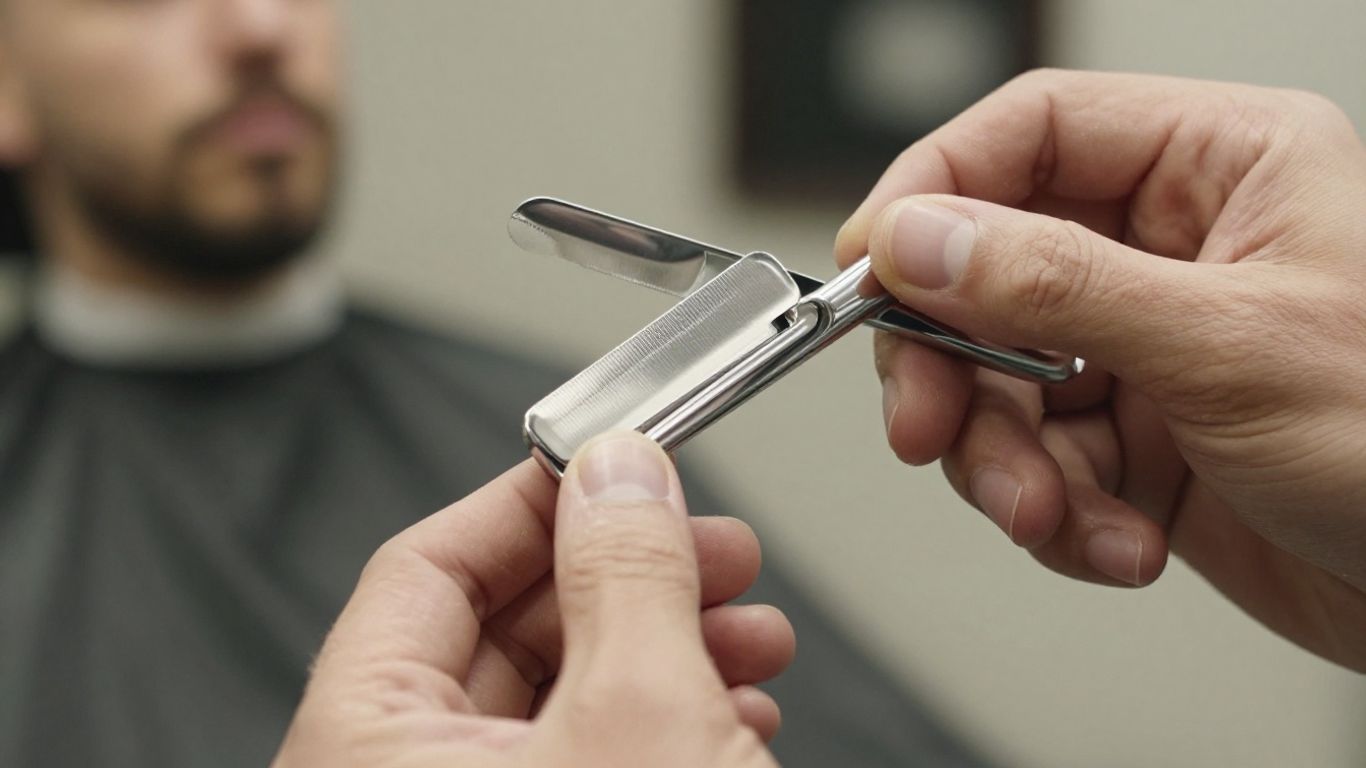
Before you even think about picking up a razor, the skin needs proper preparation. Start by washing your client's face with warm water. This helps to open up the pores and soften the facial hair, making it much easier to cut. If your client has sensitive skin, consider applying a pre-shave oil. This adds an extra layer of protection and can help prevent irritation later on.
The Art of Lather Application
Next comes the lather. Using a shaving brush, work your shaving cream or soap into a rich, thick lather. Apply this lather to the client's face using circular motions. This technique not only distributes the product evenly but also helps to lift the hairs away from the skin. A good lather is your best friend for reducing friction and minimizing the chance of nicks and cuts. It's a simple step, but it makes a big difference in the overall shaving experience.
Executing the Shave: With, Across, and Against the Grain
Now for the actual shave. Hold the razor at a consistent angle, typically around 30 degrees to the skin. Begin with the first pass, shaving with the grain – that is, in the direction the hair naturally grows. Use short, controlled strokes and avoid applying too much pressure. This initial pass removes the bulk of the hair.
After rinsing the face and reapplying lather, proceed to the second pass, shaving across the grain. This means moving the razor perpendicular to the direction of hair growth. This step helps to get rid of any remaining stubble from the first pass.
For that ultra-smooth finish, a third pass against the grain can be performed. This is where you shave in the opposite direction of hair growth. However, this step requires the most caution. It can lead to irritation or ingrown hairs if not done carefully. Always remember to stretch the skin gently to create a flatter surface for the blade. This careful approach helps achieve a close shave while respecting the skin's integrity. You can find more tips on proper razor technique on this guide.
The key to a superior shave lies not just in the blade, but in the meticulous preparation and execution of each step. Patience and a gentle hand are paramount.
Optimizing Performance and Longevity of Derby Blades
To get the most out of your Derby razor blades, a little attention to their care can go a long way. It's not just about the shave itself, but also what happens before and after. Proper handling and maintenance mean sharper blades for longer, leading to better results and happier clients.
Blade Preparation and Sanitization
Before you even think about loading a blade into your razor, it's wise to prepare it. While Derby blades come individually wrapped for hygiene, an extra step can provide peace of mind. A quick rinse under hot water can remove any dust or residue from the packaging. For barbers, ensuring a sterile environment is paramount. Consider a brief soak in isopropyl alcohol or a barber-specific sanitizing solution. This step helps to eliminate any potential contaminants, setting the stage for a clean and safe shave.
Proper Blade Maintenance and Cleaning
After each client's shave, the blade needs attention. The most important thing you can do is rinse it thoroughly under running water. This washes away hair and lather, preventing buildup that can dull the edge or cause rust. Avoid wiping the blade directly with a towel, as this can easily damage the delicate cutting edge. Instead, gently shake off excess water and allow the blade to air dry completely. Storing your razor in a dry place, away from humidity, is also key to preventing corrosion. For barbers, a dedicated blade bank is a safe way to dispose of used blades.
When to Replace Your Derby Razor Blades
Knowing when a blade has reached the end of its useful life is a skill that comes with experience. While Derby blades are known for their durability, they are not meant to last indefinitely. A general guideline is to replace a blade after approximately 5 to 7 shaves. However, this can vary based on hair coarseness and shaving technique. Signs that a blade needs replacing include increased tugging, pulling, or a noticeable decrease in sharpness. Continuing to use a dull blade not only provides a poor shave but also increases the risk of nicks and irritation. For professional use, it's always better to err on the side of caution and swap out the blade sooner rather than later. You can find Perma Sharp Single Edge Razor Blades in bulk for your shop, which are designed for consistent sharpness.
Maintaining your tools, including your razor blades, is a direct reflection of your professionalism. Clients notice the care you take, and it contributes to their overall confidence in your service. A sharp, well-maintained blade is non-negotiable for a superior shaving experience.
Addressing Common Shaving Challenges with Derby Blades
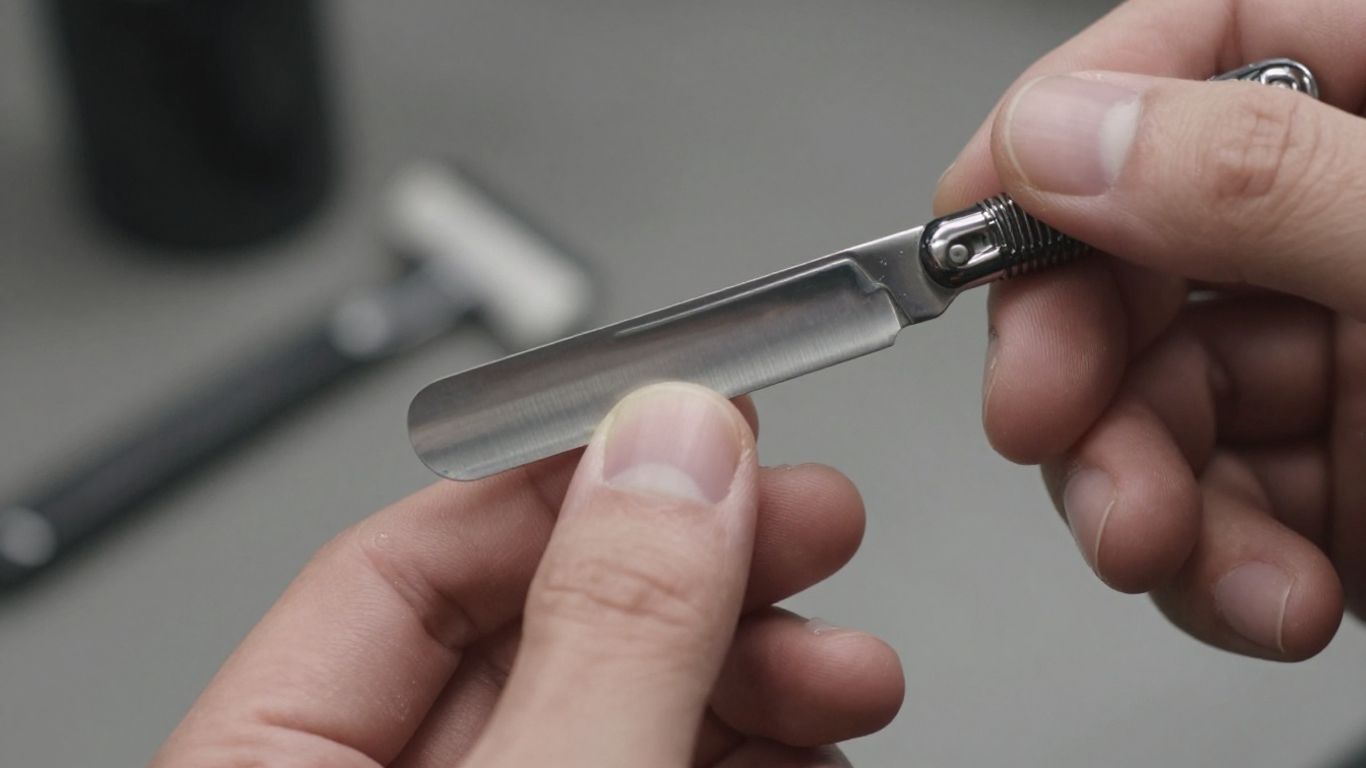
Even with the finest tools like Derby razor blades, barbers sometimes encounter common issues that can affect the shaving experience. Understanding these challenges and knowing how to manage them is part of providing a superior service. Let's look at how you can tackle nicks, ingrown hairs, and dry skin to ensure every client leaves your chair looking and feeling their best.
Preventing Nicks and Cuts
Nicks and cuts often happen when a blade isn't as sharp as it should be, or when the angle of the razor is too steep against the skin. It's a simple matter of physics, really. A dull blade requires more pressure, which can lead to slips. Similarly, an aggressive angle can cause the blade to dig in where it shouldn't.
- Regular Blade Replacement: This is the most straightforward solution. Don't push your Derby blades past their prime. For most barbers, changing the blade after every 5-7 shaves is a good practice. This ensures consistent sharpness and reduces the risk of nicks.
- Maintain a Consistent Angle: Aim for a blade angle of around 30 degrees. This provides a close shave without being too aggressive. Practice this angle until it feels natural.
- Proper Skin Tension: Gently stretch the skin taut in the area you are shaving. This creates a flatter surface for the blade to glide over, minimizing the chance of catching loose skin.
If a small nick does occur, don't panic. Rinse the area with cool water and apply a styptic pencil or an alum block to help stop the bleeding quickly. A client's comfort is key, and swift, professional handling of minor issues makes a difference.
Managing Ingrown Hairs
Ingrown hairs happen when facial hair curls back and grows into the skin, often causing red, inflamed bumps. This is particularly common for clients with coarse or curly hair. Shaving against the grain can sometimes exacerbate this issue.
- Exfoliation: Recommend or perform gentle exfoliation before shaving. This helps remove dead skin cells that can block hair follicles and trap hairs. A mild facial scrub or a chemical exfoliant can be effective.
- Shaving Direction: For clients prone to ingrown hairs, consider shaving with the grain or across the grain only. Skipping the against-the-grain pass can significantly reduce irritation and the likelihood of ingrown hairs.
- Post-Shave Care: Advise clients to use a soothing, alcohol-free aftershave or moisturizer. This helps calm the skin and prevent inflammation. Products containing ingredients like witch hazel or aloe vera can be beneficial.
Proper preparation and mindful shaving technique are your best defenses against ingrown hairs. It's about working with the client's skin and hair type, not against it.
Combating Dry Skin During Shaving
Shaving can strip the skin of its natural oils, leading to dryness and discomfort, especially if the client already has a tendency towards dry skin. Using hot water excessively can also contribute to this problem.
- Pre-Shave Preparation: Using a pre-shave oil or a rich pre-shave cream can create a protective barrier on the skin. This helps the razor glide more smoothly and retains moisture.
- Lather Quality: Ensure you're using a high-quality shaving cream or soap that provides good lubrication and contains moisturizing ingredients. Avoid products with harsh detergents.
- Post-Shave Hydration: This is critical. Always finish with a good moisturizer. Look for products with ingredients like hyaluronic acid, glycerin, or ceramides to help replenish lost moisture. A gentle aftershave can also provide soothing relief without drying out the skin.
By addressing these common challenges proactively, you can ensure that every shave with Derby razor blades is as smooth and comfortable as possible, leading to greater client satisfaction and loyalty.
The Derby Professional Barber Advantage
Achieving Precision and Comfort
When you select Derby razor blades for your barbershop, you are choosing a tool that supports both accuracy and a pleasant experience for your clients. These blades are known for their consistent sharpness, which allows for clean, precise lines and smooth passes over the skin. This consistency means you can focus on your technique, confident that the blade will perform predictably. The result is a shave that feels comfortable for the client, minimizing irritation and leaving their skin feeling smooth.
Client Satisfaction with Derby Blades
Happy clients are repeat clients. Using Derby blades contributes directly to client satisfaction by providing a superior shave. The quality of the shave impacts their overall perception of your service. A close, comfortable shave without nicks or excessive pulling leaves a lasting positive impression. Many barbers find that clients notice and appreciate the difference when a quality blade is used. This attention to detail in your tools can set your services apart.
Cost-Effectiveness for Barbershops
Derby razor blades offer a compelling balance of quality and affordability, making them a smart choice for any professional barbershop. While they provide a high level of performance, their cost is considerably lower than many premium brands. This allows you to maintain high standards of service without significantly increasing your operating expenses. Investing in a bulk pack, such as a 300-count professional-grade pack, can further reduce the per-blade cost, improving your profit margins.
Here's a look at how Derby blades can benefit your business:
- Consistent Quality: Each blade is manufactured to strict standards, so you get reliable performance every time.
- Reduced Waste: Their durability means you can often get more shaves per blade compared to lesser-quality options, reducing how often you need to replace them.
- Client Perception: Using well-regarded blades signals professionalism and care for your clients' grooming needs.
The choice of razor blade is more than just a functional decision; it's an investment in the quality of your craft and the satisfaction of your clientele. Derby blades provide the performance you need at a price that makes good business sense.
For barbers who prefer a sturdier feel and a more weighted tool, consider the 2mm straight razor blade, which excels at cutting through thicker hair and providing a more aggressive shave when needed.
Final Thoughts on Derby Blades
So, you've gone through the guide, and hopefully, you feel more confident about using Derby razor blades. Remember, practice makes perfect, and with these blades, you've got a solid tool to help you achieve that clean, professional shave. Don't be afraid to experiment a little to find what works best for your specific needs and clients. Keep these tips in mind, and you'll be well on your way to mastering the art of the shave.
Frequently Asked Questions
Why should I choose Derby razor blades for my barbershop?
Derby razor blades are a smart choice for professional barbers because they offer a great balance of sharpness, reliability, and affordability. They are made with good quality materials and go through strict checks, meaning you can give your clients a smooth shave without spending too much money. Many barbers trust them for consistent results.
What are the different types of Derby blades, and when should I use them?
Derby offers a few types. The Extra Stainless blades are good for most clients, especially those new to shaving or with sensitive skin, as they are gentle. The Premium blades are sharper, made with Swedish steel, and are excellent for clients with tougher or coarser hair, or when you need extra precision. The Professional Single Edge blades are designed for straight razors and offer great control.
How do I properly prepare a Derby razor blade before shaving a client?
Before you use a Derby blade, it's important to make sure it's clean. You can dip it in rubbing alcohol or a sanitizing solution. Some barbers also find that soaking the blade in warm water for a bit can help soften it, leading to an even smoother cut for your client.
What's the best way to maintain Derby blades to ensure they last?
After each shave, rinse the blade well with warm water to get rid of any soap or hair. Don't wipe the blade, as this can dull it. Just gently shake off the extra water and let it air dry. You can also sanitize the blade regularly by soaking it in rubbing alcohol for a few minutes each week to keep it clean and prevent rust.
How often should I replace a Derby razor blade?
While Derby blades are durable, they don't last forever. A good rule of thumb is to change the blade after about 5 to 7 shaves. If a client has very coarse hair or sensitive skin, you might even consider changing it after every single shave to ensure the best and most comfortable experience.
Can Derby blades help prevent common shaving problems like nicks or ingrown hairs?
Yes, using sharp, well-maintained Derby blades correctly can help. Always use a fresh blade and maintain a steady angle to avoid nicks. For ingrown hairs, exfoliating the skin before shaving and shaving with or across the grain (rather than against it) can make a big difference. If a client has dry skin, using a pre-shave oil and a good aftershave is key.