

Bulk Buying Razor Blades: How UK Barbers Reduce Their Blade Costs by 40%
Thinking about how to cut down on costs for your barber shop? It's a common worry, especially when you're buying supplies all the time. You might be spending more than you need on razor blades. This article looks at how UK barbers are saving money, sometimes up to 40%, by buying razor blades in larger quantities. We'll explore smart ways to get your blades, keep them working well, and why buying in bulk makes good financial sense.
Key Takeaways
- Buying razor blades in bulk can lead to significant cost savings for UK barbers, potentially reducing expenses by up to 40%.
- Finding reliable suppliers for wholesale barber blades is important for consistent quality and pricing.
- Proper blade maintenance and understanding factors like hair type can extend blade life, further reducing costs.
- Subscription models and comparing wholesale prices to retail can reveal further opportunities for savings.
- Barbers report that bulk buying not only saves money but also improves operational efficiency and maintains tool quality for client satisfaction.
Strategic Sourcing Of Barbering Essentials
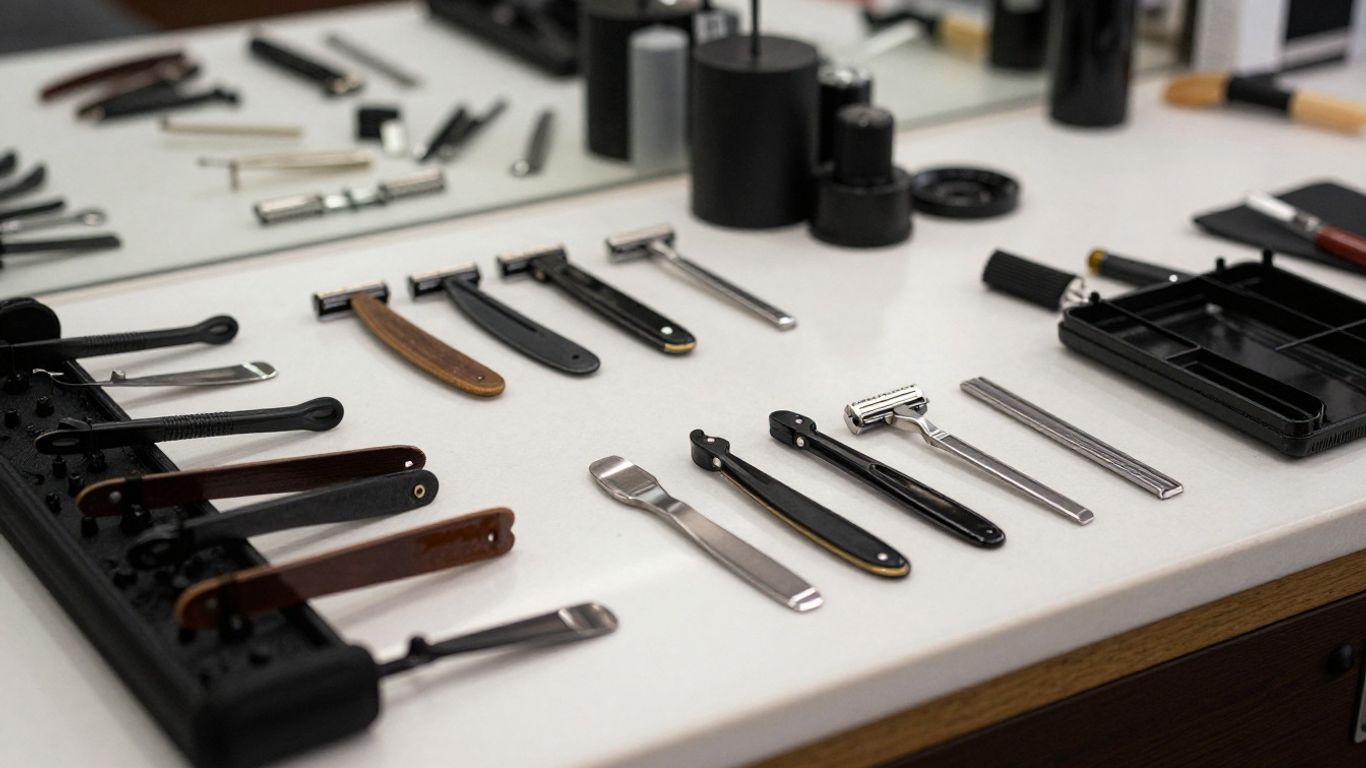
Evaluating Cost-Effectiveness of Bulk Razor Blade Purchases
When you're running a busy barbershop, every penny counts. You might be used to picking up razor blades as you need them, but have you really looked at the cost over time? Buying in bulk can seem like a big upfront expense, but it often leads to significant savings. The key is to shift your perspective from immediate need to long-term investment. Think about how many blades you go through in a week, a month, or even a year. Multiply that by the retail price, and you'll likely see a substantial figure. Bulk purchasing allows you to get a much lower price per blade, directly impacting your bottom line.
Here's a quick look at how costs can add up:
| Purchase Quantity | Price Per Blade (Retail Estimate) | Total Cost (Estimate) |
|---|---|---|
| 10 Blades | $1.50 | $15.00 |
| 100 Blades | $1.20 | $120.00 |
| 500 Blades | $0.90 | $450.00 |
This table shows a hypothetical scenario, but it illustrates the potential savings. You're not just buying blades; you're buying efficiency and a better profit margin.
Identifying Reliable Suppliers for Wholesale Barber Blades
Finding the right supplier is just as important as deciding to buy in bulk. You need someone you can trust to provide consistent quality and fair pricing. Look for suppliers who specialize in barbering supplies or have a strong reputation within the industry. Online marketplaces can be a good starting point, but always do your homework. Check reviews, ask for recommendations from other barbers, and if possible, order a small sample first to test the quality. A good supplier will be transparent about their products and pricing. Some suppliers even offer specific ranges of high-quality barber tools that include blades designed for professional use.
Understanding Pricing Structures for Bulk Buy Razor Blades UK Barber
Wholesale pricing isn't always straightforward. You'll often find tiered pricing, where the more you buy, the less you pay per unit. Some suppliers might offer discounts for first-time bulk orders or loyalty programs for repeat customers. It's also worth understanding if there are minimum order quantities (MOQs) required for wholesale rates. Don't be afraid to negotiate, especially if you're planning on making large, regular purchases. Always ask about shipping costs and any potential import duties if you're sourcing from overseas. Understanding these structures helps you make an informed decision and secure the best possible deal for your shop.
The initial research into suppliers and pricing might take some time, but the long-term financial benefits and operational stability it provides are well worth the effort. Building a solid supply chain is a foundational step for any barber looking to optimize their business costs.
When you're looking for blades, consider options like 100 high-quality single edge razor blades that are specifically designed for durability and performance, often made from premium steel.
Optimizing Blade Longevity and Performance
Proper Maintenance Techniques for Extended Blade Life
Regular care and simple habits can stretch each razor blade further than you might expect. After every use, rinse your blades thoroughly. It’s important not to leave any hair or shaving cream residue, which causes corrosion or quick dulling. Carefully dry the blade using a lint-free towel—never store wet blades in a closed case or drawer. Many successful barbers even store their blades in the original packaging or a protective sheath, keeping them in a dry, secure place between appointments.
- Rinse thoroughly after every client.
- Dry blades using a lint-free towel.
- Wipe with 70% isopropyl alcohol to remove product buildup and reduce bacteria.
- Store blades in their case, away from humidity and damp overnight.
Building these easy habits can mean the difference between changing a blade every few weeks versus every few months.
For barbers working with double-edge blades, such as those used in the Henson razor, these same cleaning and drying steps can help maximize sharpness and usability over time. Rinsing and drying blades makes a noticeable difference.
The Impact of Hair Type on Blade Durability
How long a blade lasts isn’t just about maintenance—it’s about what you’re cutting. Coarse, curly, or product-heavy hair tends to wear out blades quicker than fine or freshly washed hair. You might notice increased drag or pulling after repeated use with dense hair. Some barbers report switching blades more often when seeing clients with frequent hair product buildup.
| Hair Type | Typical Blade Wear | Suggested Adjustment |
|---|---|---|
| Fine, Silky | Slow | Standard cleaning frequency |
| Thick/Coarse | Fast | Sharpen or replace sooner |
| Product-laden | Very Fast | More frequent cleaning |
- Use isopropyl wipes after clients with heavy styling product.
- Expect to replace your blade more often with coarse hair clients.
- Watch for drag, skipping, or tugging—these are signs it’s time for a new blade or professional resharpening.
Professional Resharpening Services for Barber Blades
Blades don’t always need to be thrown away when they feel dull. For specialty razors, you can send them to a sharpening technician. Most pros recommend finding a sharpener who works specifically with barber tools, as not all methods are safe for thinning or styling blades. Professional sharpening restores the original edge, removing just enough material to keep the bevel angle correct.
- Seek a sharpening expert specializing in barbershop blades.
- Don’t try to resharpen professional thinning or texturizing razors at home unless you have the right gear.
- Sharpening can cost less over a year compared to frequent blade replacements.
While some barbers replace blades at the first sign of dullness, investing in professional sharpening twice a year can cost far less and provide a like-new cutting feel.
In short, a mix of cleaning discipline, understanding your regular clientele’s hair type, and using professional resharpening services will push your blade budget even further.
The Economic Advantages of Wholesale Acquisition
Buying razor blades in bulk is a practical way for UK barbers to cut overheads while keeping quality high. Switching to wholesale purchasing not only slashes the price per blade, but also builds a more predictable monthly expense for your business. Let’s break down how your barbershop can benefit from this approach.
Calculating Savings Through Bulk Purchase Agreements
When you switch from buying packs at retail to bulk orders, the savings add up fast. Here’s a basic comparison:
| Purchase Quantity | Cost per Blade (Retail) | Cost per Blade (Wholesale) | Annual Cost (1,000 blades) |
|---|---|---|---|
| Retail (10-pk, x100) | £0.18 | – | £180 |
| Wholesale (1000-pk) | – | £0.11 | £110 |
This is a 39% savings, not even counting special deals or discounts, such as those you might find with bulk quantity discounts.
- Negotiate fixed price contracts to avoid market fluctuations
- Order ahead to match seasonal demand and avoid rush prices
- Track consumption so you re-order before supplies run out
Every pound saved on blades means more funds for other improvements or staff bonuses.
Comparing Wholesale Costs to Retail Pricing
Buying at retail might seem simple—grab a pack when you’re low—but over time it’s just more expensive. Wholesale pricing reflects the lower cost per unit, less packaging, and cheaper shipping overall. Here’s what usually makes wholesale preferable:
- Lower price per blade, sometimes nearly half the high street cost
- Fewer reordering hassles, as large shipments stretch months
- Ability to shop for better brands or heavier-duty single edge blades at a cut rate
Plus, wholesale often bundles perks like free or reduced-cost delivery for large orders, adding up to even more savings.
The Role of Subscription Models in Cost Reduction
Some suppliers now offer subscription models. Instead of ordering sporadically, you set up a recurring delivery based on your shop’s usual use.
- Set it and forget it: You’re never caught out with dull or missing blades
- Usually 10–15% cheaper than manual reorders, thanks to loyalty or automated discounts
- Free shipping and flexible cancellation—no risk if your business shifts or slows
If you’re using a lot of blades, a blade subscription can keep your costs down and make cash flow easier to manage.
With the right wholesale partner, you can stop worrying about supply gaps and focus on your clients instead.
Barber Testimonials on Bulk Blade Procurement
You might be wondering what other barbers in the UK think about buying razor blades in larger quantities. It's one thing to read about potential savings, but hearing directly from professionals offers a different perspective. Many barbers have found that bulk buying isn't just about saving money; it also impacts how smoothly their day-to-day operations run.
Real-World Savings Reported by UK Barbers
Barbers who have switched to buying blades in bulk often report significant cost reductions. Instead of frequent small purchases, they consolidate their needs. For instance, one barber in Manchester mentioned that by purchasing a larger pack of Derby Extra single edge razor blades, he noticed his monthly expenditure on blades dropped by nearly 40%. This wasn't a one-off; consistent purchasing of wholesale blades has become a standard practice for him and his team.
Impact of Bulk Buying on Operational Efficiency
Beyond the direct financial savings, there's a noticeable improvement in workflow. When you're not constantly worried about running low on blades, you can focus more on your clients. A barber from Birmingham shared, "Having a good stock means I never have to interrupt a service to run to the shop. It keeps the momentum going, and clients appreciate that." This consistent availability of tools means less downtime and a more professional image.
Client Satisfaction Linked to Consistent Tool Quality
Another point frequently raised is the impact on client satisfaction. When you use high-quality blades consistently, the results speak for themselves. Barbers report cleaner cuts and fewer nicks, leading to happier clients who are more likely to return. One stylist noted, "I used to use whatever was cheapest, but switching to bulk-bought, quality blades has made a difference. My clients notice the smoother finish, and that's what keeps them coming back."
The consistent availability of sharp, reliable blades directly influences the quality of service you provide. This, in turn, builds client trust and loyalty, which are invaluable assets for any barber shop.
Here's a look at how some barbers have quantified their savings:
| Item Purchased | Retail Cost (per unit) | Wholesale Cost (per unit) | Percentage Saved |
|---|---|---|---|
| Pack of 100 Blades | £25.00 | £15.00 | 40% |
| Pack of 50 Blades | £13.00 | £9.00 | ~31% |
| Single Blade | £0.50 | £0.15 | 70% |
Note: These figures are illustrative and can vary based on supplier and specific blade type.
Selecting the Right Razor Blades for Professional Use
Choosing the correct razor blades is a big part of your toolkit. It’s not just about sharpness; it’s about how the blade works with different hair types and the techniques you use. Getting this right means better haircuts and happier clients.
Understanding Different Blade Types and Their Applications
Razor blades come in a few main styles, and each has its place. You've got your standard blades, often used for general thinning and texturizing. Then there are blades with more exposure, like the R-Type, which allow for faster, cleaner cuts. These are great when you need to remove more hair quickly or create sharp lines. Think about the kind of work you do most often. If you're doing a lot of detailed blending or need a very soft finish, a standard blade might be your go-to. For more aggressive texturizing or when speed is key, a blade with more exposure could be the better choice. It really comes down to the specific look you're trying to achieve.
Assessing Blade Sharpness and Edge Retention
Sharpness is obviously important, but so is how long that sharpness lasts. A blade that stays sharp through multiple cuts is more economical and provides a more consistent experience for the client. You don't want a blade that dulls halfway through a haircut. Look for blades made from quality steel alloys; these tend to hold an edge longer. Some barbers find that blades made with specific steel compositions, like certain Japanese stainless steels, offer good sharpness retention. It’s worth noting that even the best blades will eventually dull. How often you need to replace or resharpen them will depend on how much you use them and the types of hair you're cutting.
Factors Influencing Blade Choice for Various Hair Textures
Different hair textures require different approaches. Coarse, thick hair might need a sharper, more aggressive blade to cut through cleanly without snagging. Fine hair, on the other hand, can be easily damaged by overly sharp or aggressive blades. For finer hair, you might opt for a blade that offers a gentler slicing action, or you might adjust your technique to use less pressure. Some blades are designed with specific edge geometries that work well across a range of hair types. For instance, a blade that can handle both coarse and fine hair without compromising performance is a real asset. You'll find that many professional trimmers are designed with versatility in mind [81cc].
When selecting razor blades, consider the balance between initial sharpness, how long that sharpness lasts, and how the blade interacts with different hair densities and textures. A blade that performs well across various hair types will likely reduce the need for multiple blade types and simplify your workflow.
Mitigating Risks in Wholesale Barber Blade Procurement
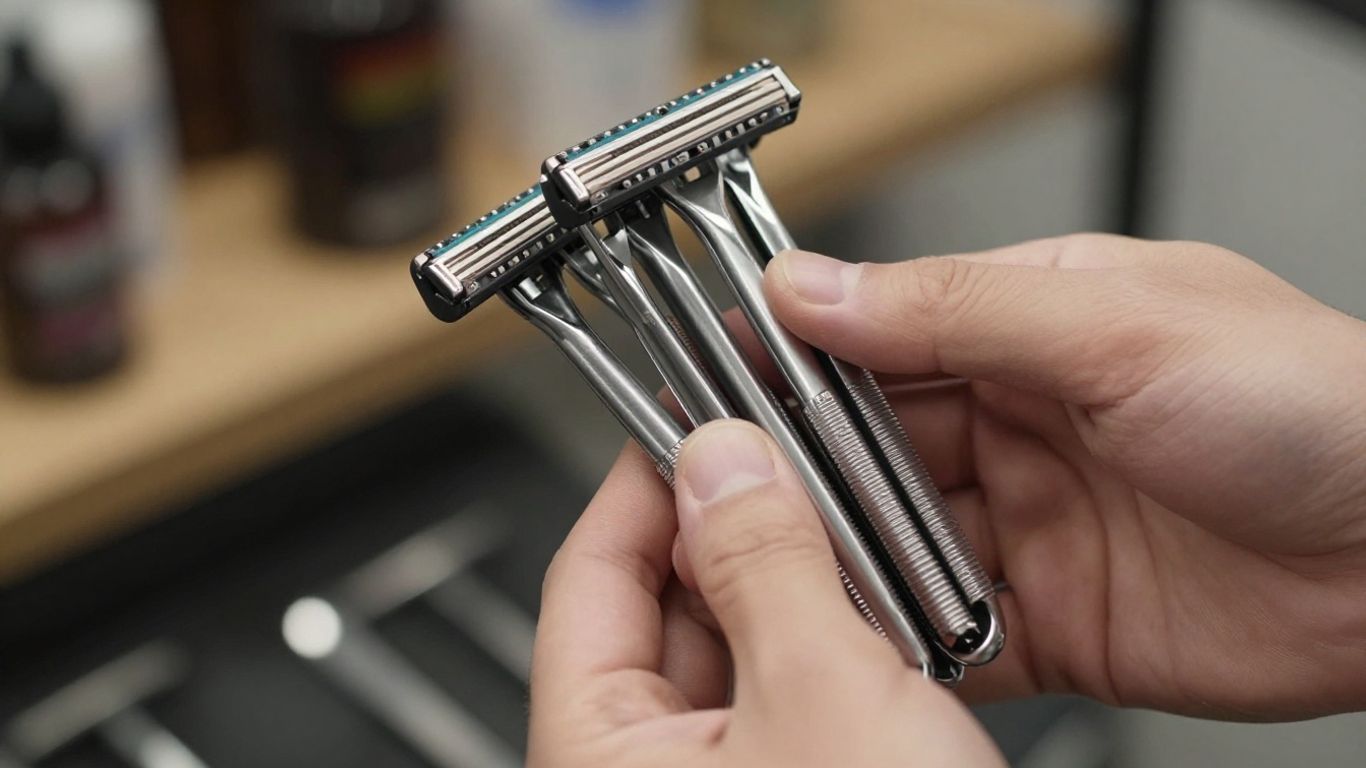
Procuring razor blades in bulk can offer great savings, but there are pitfalls if you aren’t careful. It’s not just about paying less per blade; you have to avoid quality dips, supply chain surprises, and compliance snags. Here’s how you keep your barbershop stocked and safe.
Ensuring Quality Control with Bulk Orders
Ordering a large quantity of blades means trusting that every single one will perform to your expectations. Here’s how you avoid disappointment:
- Request product samples before buying a full case. Use these for a week and check edge retention, sharpness, and material quality using basic tests like slicing paper or examining for warps.
- Look for suppliers who send their blades in protective packaging, like a sealed holder, not loose bags. This reduces risk of damage or rust before they ever arrive at your shop.
- Ask for batch numbers or manufacturing details, and cross-check these with reputable catalogs. Counterfeit or low-quality blades are usually vague on these points.
A simple trick: Start with a smaller order; only scale up when the supplier proves consistent. Never be pressured into giant commitments until you’re sure what’s in the box matches your shop’s needs.
Navigating International Shipping and Customs for UK Barbers
Many low-cost blades come from overseas, but shipping can bring hidden risks:
- Understand average delivery times and factor in possible customs delays.
- Confirm that your wholesale supplier includes proper documentation with every shipment to avoid customs seizures.
- Check packaging for signs of tampering—rigid plastic holders and oil coatings help prevent rust and damage during transit.
- Always clarify the return policy for lost, damaged, or incorrect items.
| Potential Shipping Issue | Mitigation Strategy |
|---|---|
| Long delivery times | Confirm timeline and buffer stock |
| Damaged blades | Select suppliers with sturdy cases |
| Customs delays | Ask for proper paperwork, tracking |
| Order errors | Review return/exchange policies |
Building Relationships with Trusted Blade Manufacturers
When you find a supplier who delivers consistent quality, treat it as more than just a transaction. Repeat business builds trust and may even yield better rates or priority shipping. Best practices include:
- Communication: Keep lines open. Alert them to issues, and expect the same transparency in return.
- Feedback: Share what works and what doesn’t—suppliers often tweak quality based on regular customer reports.
- Compliance: Work only with those who follow health standards and clear labeling, especially as regulations change.
It’s smart to use a proper barber blade holder for disposal, not only for safety but also to prove compliance with local hygiene laws—this small step reduces injury risk and keeps your shop in line with regulations like those laid out for professionals in the safe disposal of blades.
Bulk buying doesn’t have to mean gambling. If you keep your standards steady and expectations clear, it often means better service, steadier supply, and real long-term savings.
Final Thoughts on Smart Blade Purchasing
So, you've seen how buying in bulk can really cut down costs for barbers. It's not just about grabbing a big pack; it's about understanding the value and making a smart choice. By looking into bulk options, you can significantly lower your expenses, just like many professionals do. Think about it – a small change in how you buy your blades could lead to big savings over time. It’s worth exploring these avenues to keep your costs down and your services competitive.
Frequently Asked Questions
How can buying razor blades in large quantities save money?
When you buy razor blades in bulk, you're often getting a lower price per blade. Think of it like buying a big bag of chips instead of small ones – you get more for your money. Many barbers find that purchasing a large supply means they pay much less for each blade compared to buying them one pack at a time. This can add up to significant savings over time, potentially cutting costs by a large percentage.
Where can barbers find good suppliers for wholesale razor blades in the UK?
You can find reliable suppliers for wholesale barber blades through various channels. Many manufacturers and distributors have websites where you can order directly. Online marketplaces like Alibaba or specialized barber supply websites are also good places to look. It's wise to compare a few different suppliers to find the best prices and ensure they offer quality blades that meet your needs.
How do I know if a bulk buy deal for razor blades is actually a good price?
To figure out if a bulk deal is good, you need to compare the price per blade. Divide the total cost of the bulk pack by the number of blades inside. Then, compare this price to the cost of smaller packs you might usually buy. If the price per blade is much lower, and the supplier is reputable, it's likely a good deal. Also, consider the quality – a slightly higher price for much better blades might be worth it.
Can razor blades last longer with proper care?
Yes, taking good care of your razor blades can help them last much longer. This includes cleaning them thoroughly after each use to remove hair and product buildup. Drying them completely is also important to prevent rust. Storing them properly, perhaps in a dry case, can protect the edge. Some barbers even use special solutions to help maintain the blades.
Is it worth paying for professional sharpening services for barber blades?
For certain types of barber blades, professional sharpening can be a very smart investment. Instead of buying new blades all the time, you can have your current ones sharpened to perform like new. While there's a cost for this service, it's often much less than constantly replacing expensive blades. This can significantly lower your overall blade expenses over the year.
What are the main benefits of buying razor blades in large quantities for a barber shop?
Buying razor blades in large quantities offers several key advantages for a barber shop. Primarily, it leads to substantial cost savings, as the price per blade drops significantly. This also improves operational efficiency because you won't run out of blades as often, reducing the need for frequent shopping trips. Having a consistent supply of quality blades also ensures you always have the right tools for your clients, which can lead to greater customer satisfaction.